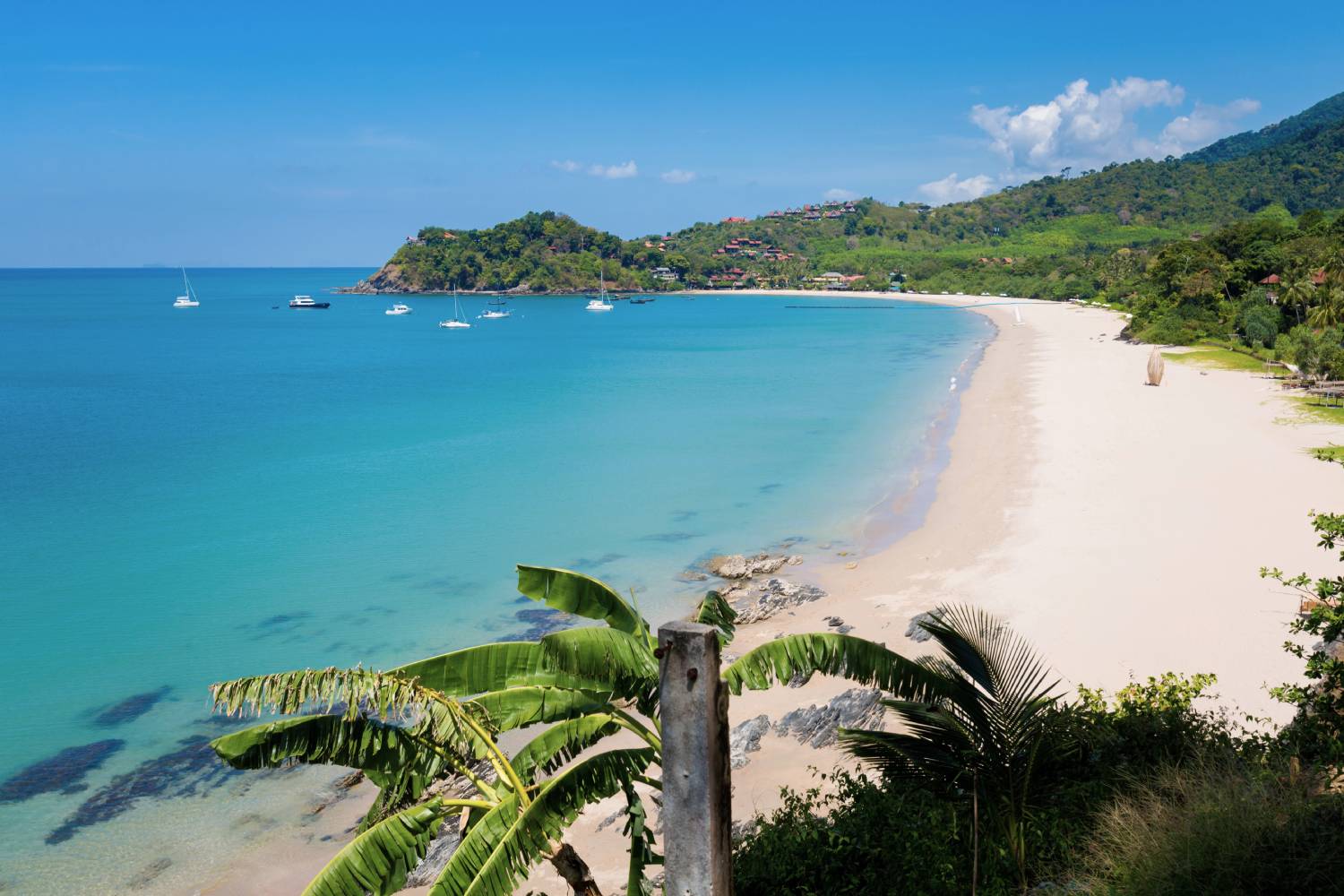
After a run of Thailand’s greatest hits (Phuket, Koh Samui, Koh Phi Phi) I was ready for somewhere a little less crowded and instafamous
I dreamed of quiet, pristine beaches, roads where I could scooter along without hitting a traffic jam, and the kind of beach bar where a local actually owns the place. I didn’t want luxury and I definitely didn’t want a pool party. I just wanted somewhere more authentic that still felt a bit like the Thailand I’d fallen in love with before everyone else did.
Luckily, it’s not hard to get off the beaten track in Thailand – it’s a large country with so many beautiful places to visit, a long coastline and so many islands, but even so I was surprised to find such a hidden gem hiding in plain sight so close to the famous Phi Phi islands.
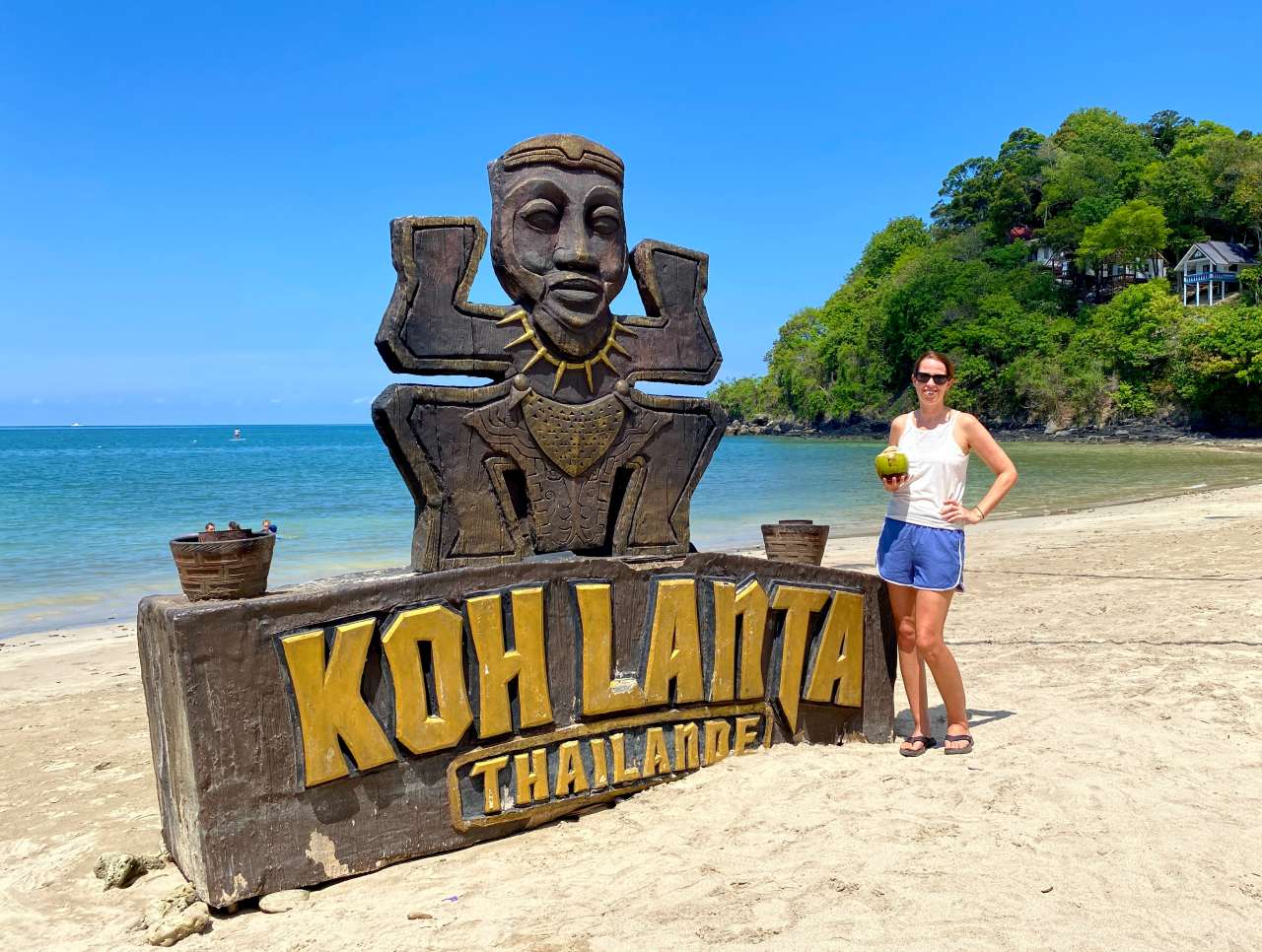
Koh Lanta is one of those islands that feels like a “hidden gem,” which is a bit ironic because it’s not really that hidden. It’s right there in Krabi province and it’s a well set up, easily accessible gem of an island. The difference is that it never quite got the same fame as its neighbours and that’s exactly why it’s still worth visiting.
A week here and I was hooked. I scootered the whole coastline from north to south, found white sand beaches that I had almost entirely to myself, wandered the atmospheric Old Town, and watched sunsets from a beanbag with a cold Chang in hand. No crowds. No chaos. Just soaking up the kind of slow, easy island life that’s getting harder to find in Thailand.
If that sounds like your kind of trip, this Koh Lanta guide has everything you need to plan it.
My Koh Lanta Travel Guide
Where is Koh Lanta?
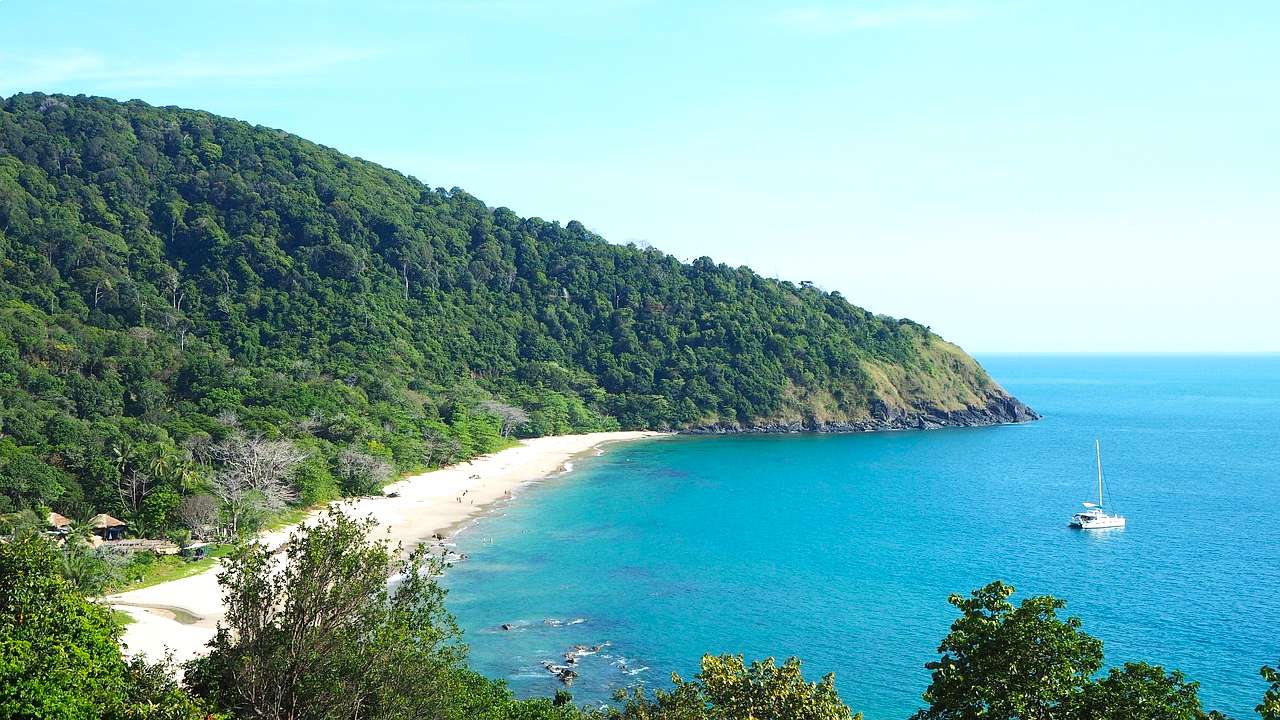
Koh Lanta (or Ko Lanta) is a fairly large island in the Andaman Sea, in Krabi province in southern Thailand. It’s part of the same stretch of coastline as Koh Phi Phi and Ao Nang, but it feels like a completely different world.
The island is about 25km long and is split by a river into two parts: Koh Lanta Yai (the big one, where everything happens) and Koh Lanta Noi (mostly mangroves and usually skipped). When people talk about Koh Lanta, they mean Koh Lanta Yai, and that’s what this guide covers.
Unlike nearby Koh Phi Phi, famous for ‘The Beach’ movie, Maya Bay, and visited by millions of tourists per year, Koh Lanta’s biggest claim to fame is a French TV show called Koh-Lanta, based on the Survivor format, that was filmed here. You can find it on YouTube here if you’re curious. It’s a much quieter kind of fame, which suits the island perfectly.
Getting to Koh Lanta and Getting Around
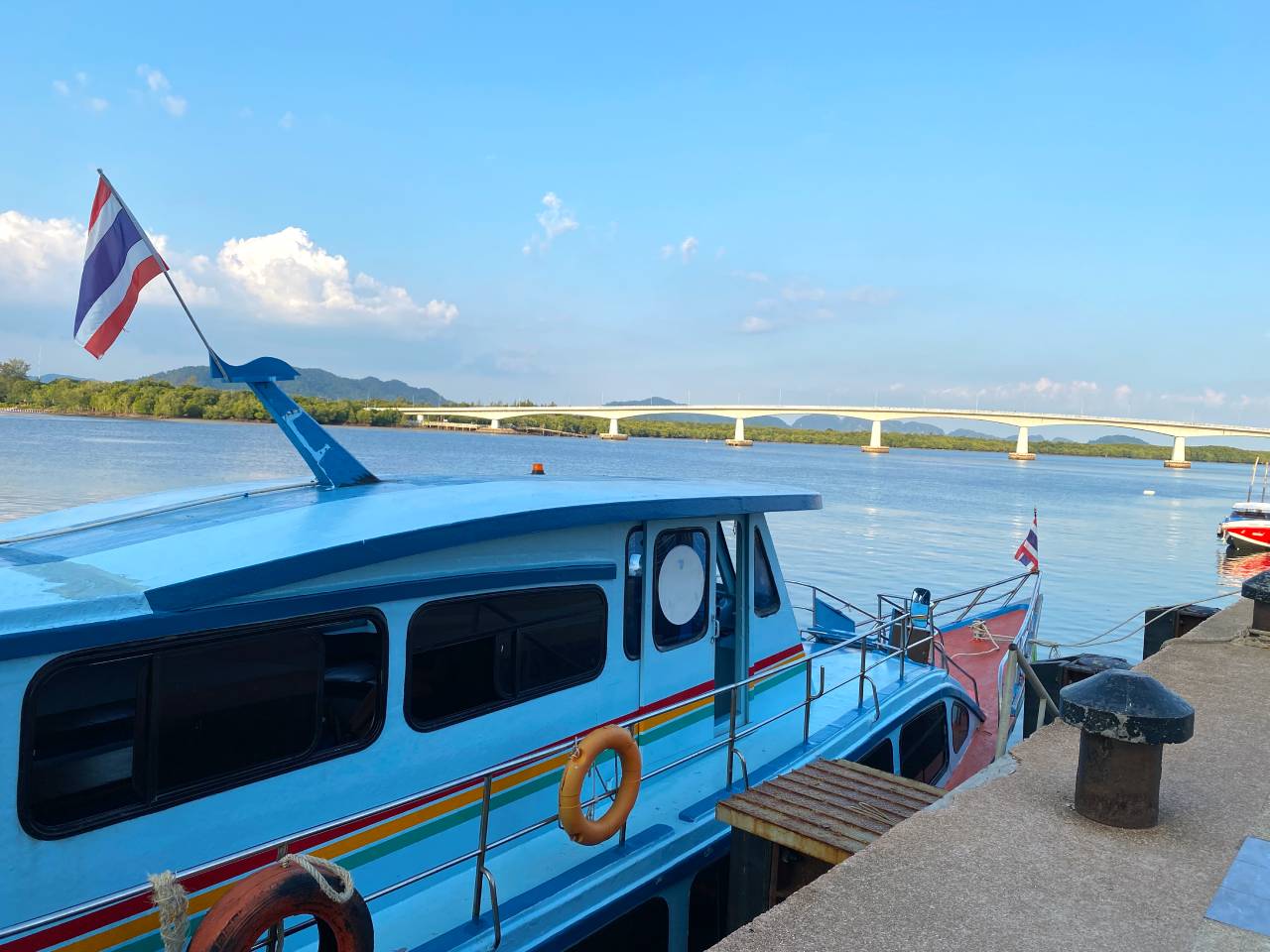
Getting to Koh Lanta takes slightly more effort than just flying into Phuket, and that’s actually a good thing because it keeps the crowds of package holiday tourists away.
The nearest airport on the mainland is Krabi Airport, and from there you have a couple of options. Shared minivans run regularly during the day and include a short car ferry crossing. The whole thing takes around three hours and is cheap and simple, if a little cramped. Private transfers cost more but mean no waiting around, no multiple drop-offs, and a much easier time if you’re arriving in the evening. You can book a private transfer to Koh Lanta on Viator.
If you’re already in the Andaman Sea area, there are ferries from Krabi Town and Ao Nang. They offer a scenic and pleasant journey in good weather but are less reliable in rough seas. From Koh Phi Phi, there’s a direct high-season ferry that takes about an hour.
This is how I arrived and it was the perfect way to make the transition from busy to peaceful. You can also reach Koh Lanta from Phuket by taking a ferry from Rassada Pier (longer but scenic) or a minivan-and-ferry combo overland via Krabi, which is more reliable year-round. You can book ferry and bus tickets at 12Go Asia – worth doing in the peak season when spots can fill up.
For getting around the island, rent a scooter. It’s the best and really only efficient way to explore. The coastal road is a joy to drive and many of the beaches and viewpoints aren’t easily reached any other way. Just ride carefully, wear a helmet, and fill up when you see a petrol station because they get sparse in the south.
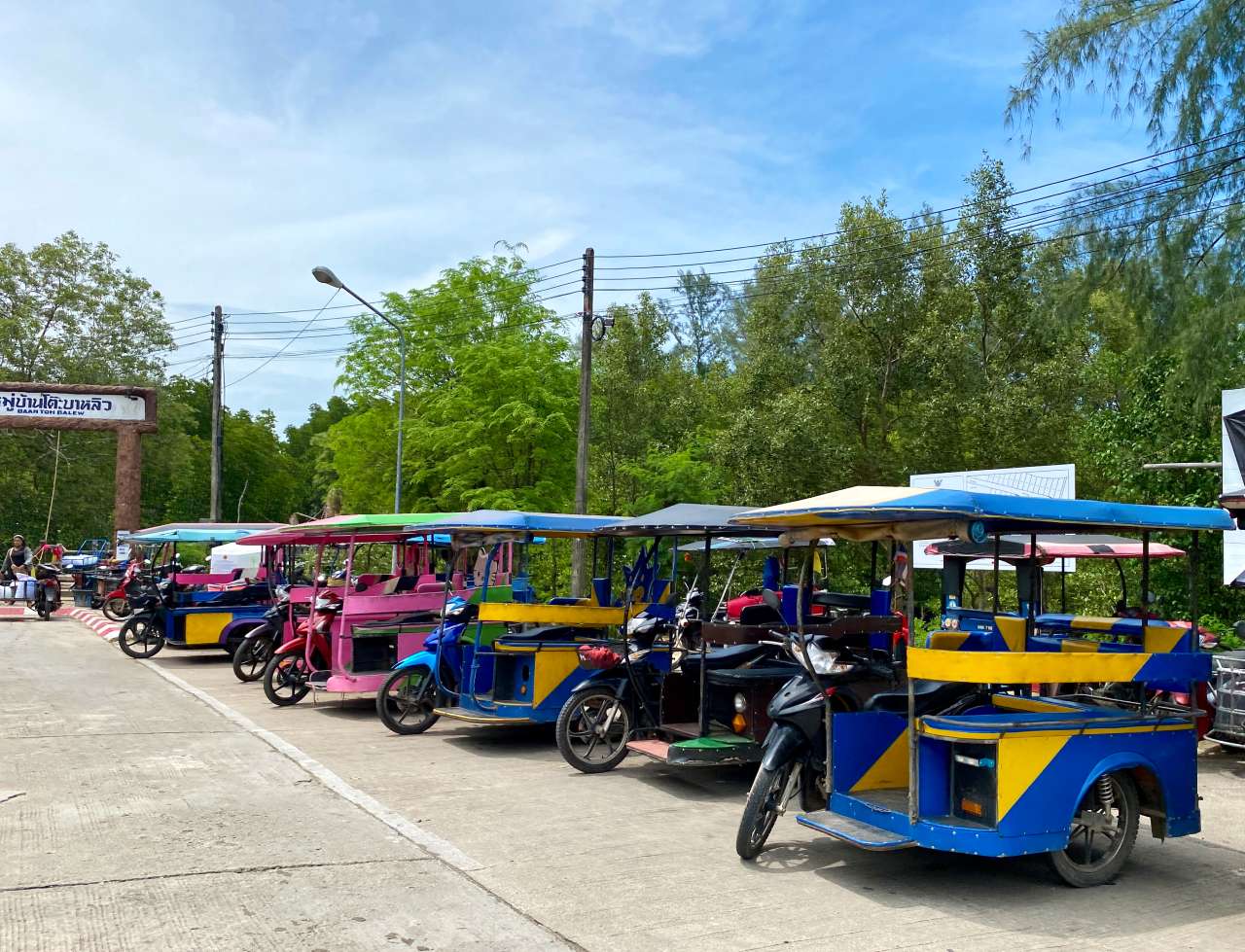
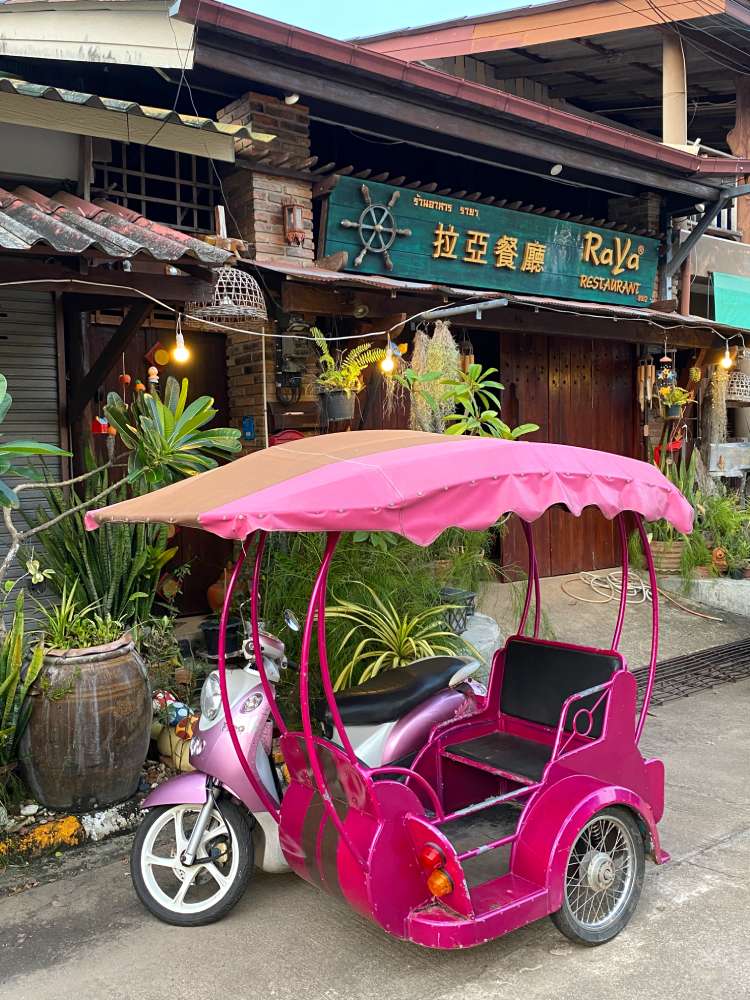
There are also cute and fun motorbike taxi’s with side cars that will meet you at the pier in Sala Dan and drop you to your hotel – just agree the fare before stepping in. They can also take you from place to place, the best way to get one is to ask the staff at your hotel to call one for you.
Where to Stay in Koh Lanta
One of the things I really liked about Koh Lanta is how the whole west coast feels like one long ribbon of beach, with each stretch having its own distinct vibe. As a general rule: the western side and the further north you are, the more built-up it gets. Head to the southern end and things get wilder, quieter, and considerably more jungley.
The island doesn’t go in for big resorts and high rises but still has plenty of accommodation options – mostly backpacker hostels, low key beach bungalows, boutique stays, and the occasional five star luxury hideaway.
While there is accommodation smattered around most of the beaches on the west coast, here are the two areas in Koh Lanta that I’d point most travellers toward.
Long Beach (Phra Ae) – Best All-Rounder
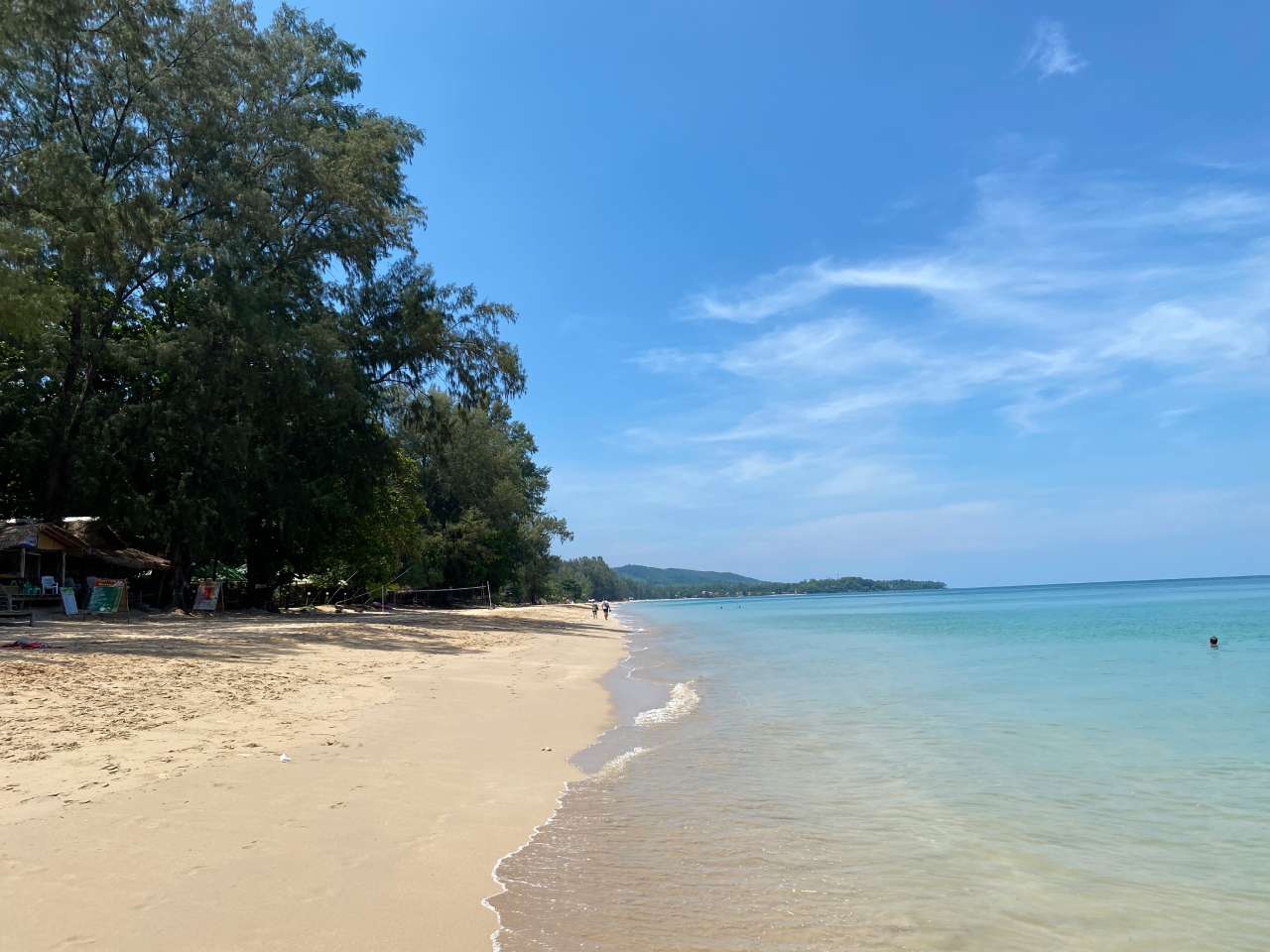
This is where I stayed and where I’d recommend most people base themselves. Long Beach has that sweet spot of having great sand and swimming, a good mix of cafes and beach bars, and enough life around it to feel social without being overwhelming.
The mix of people here is pretty eclectic (digital nomads, couples, backpackers, a few families) which makes it feel lively without tipping over into chaos.
Budget: Blanco Hostel Lanta – Popular beachfront hostel with a sociable vibe and comfortable dorm beds – great for solo travellers who like a lively atmosphere.
Mid-range: Long Beach Chalet – Beautiful wooden bungalows in the trees, beachfront villas, great breakfast. This is where I stayed and I loved it.
Luxury: Layana Resort & Spa – Adults-only, impeccable service, direct beach access. Worth every baht if you’re splurging.
Kantiang Bay – For Peace, Nature & Boutique Luxury
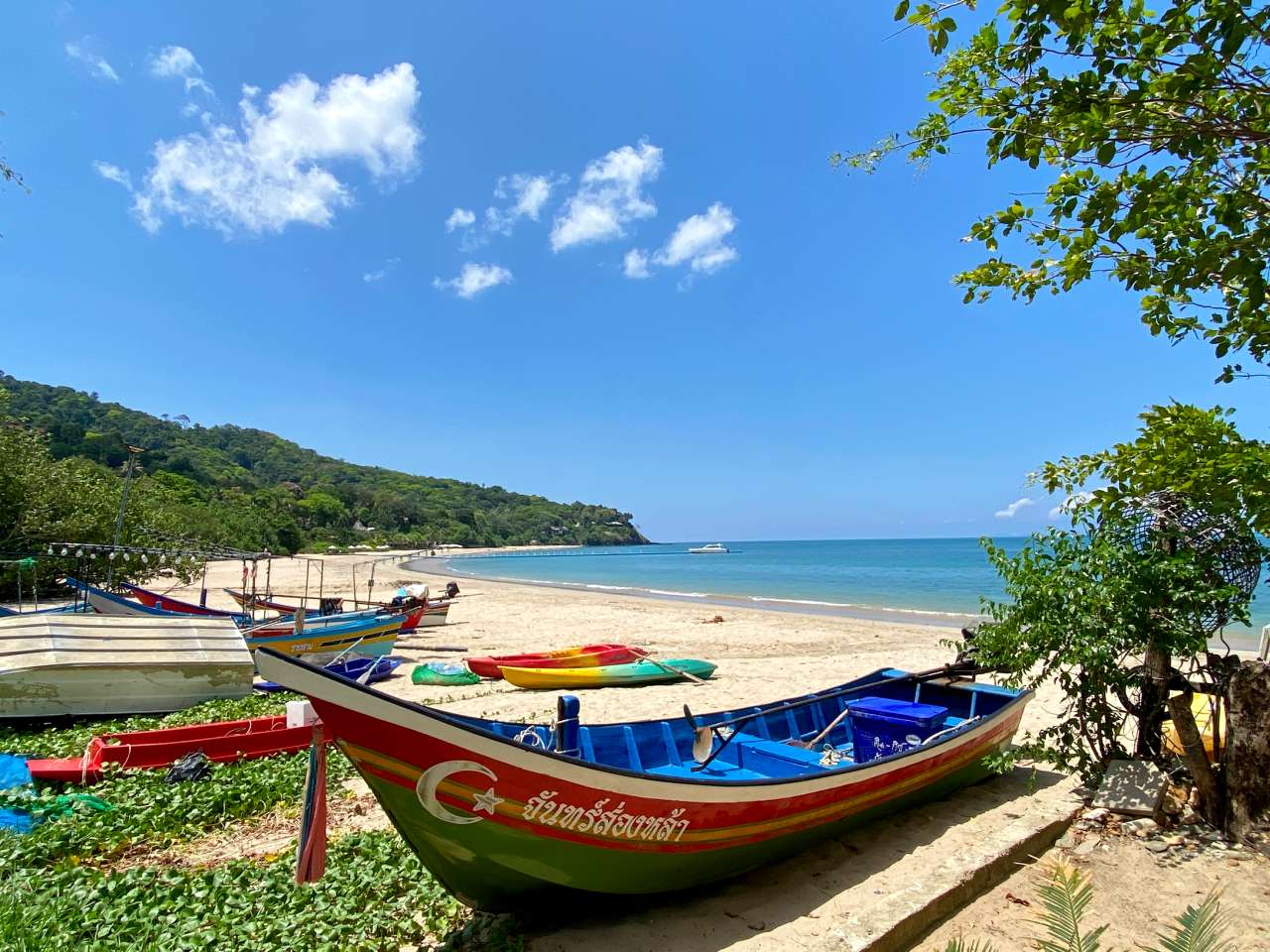
Kantiang Bay is a different vibe entirely. A perfect crescent of sand, flanked by hills and thick jungle, often barely anyone on it. It feels further from civilisation than it actually is, which is a good thing.
It’s the best base if you want to be close to hiking trails, waterfalls, and the national park, and if you’re happy trading away a few 7/11s for something that feels genuinely remote and unspoilt.
Budget: Aha Lanta Cozy Hostel – Simple and quiet cabin beds with air conditioning and a free breakfast. A quieter vibe than Blanco Hostel and just 5 minutes walk from the beach.
Mid-range: Alama Sea Village Resort – Sea view rooms, a scenic pool and decent restaurant. Great value too!
Luxury: Pimalai Resort & Spa – The island’s best five star hotel boasts ocean-view villas in jungle surroundings with an infinity pool to die for.
Things to Do on Koh Lanta
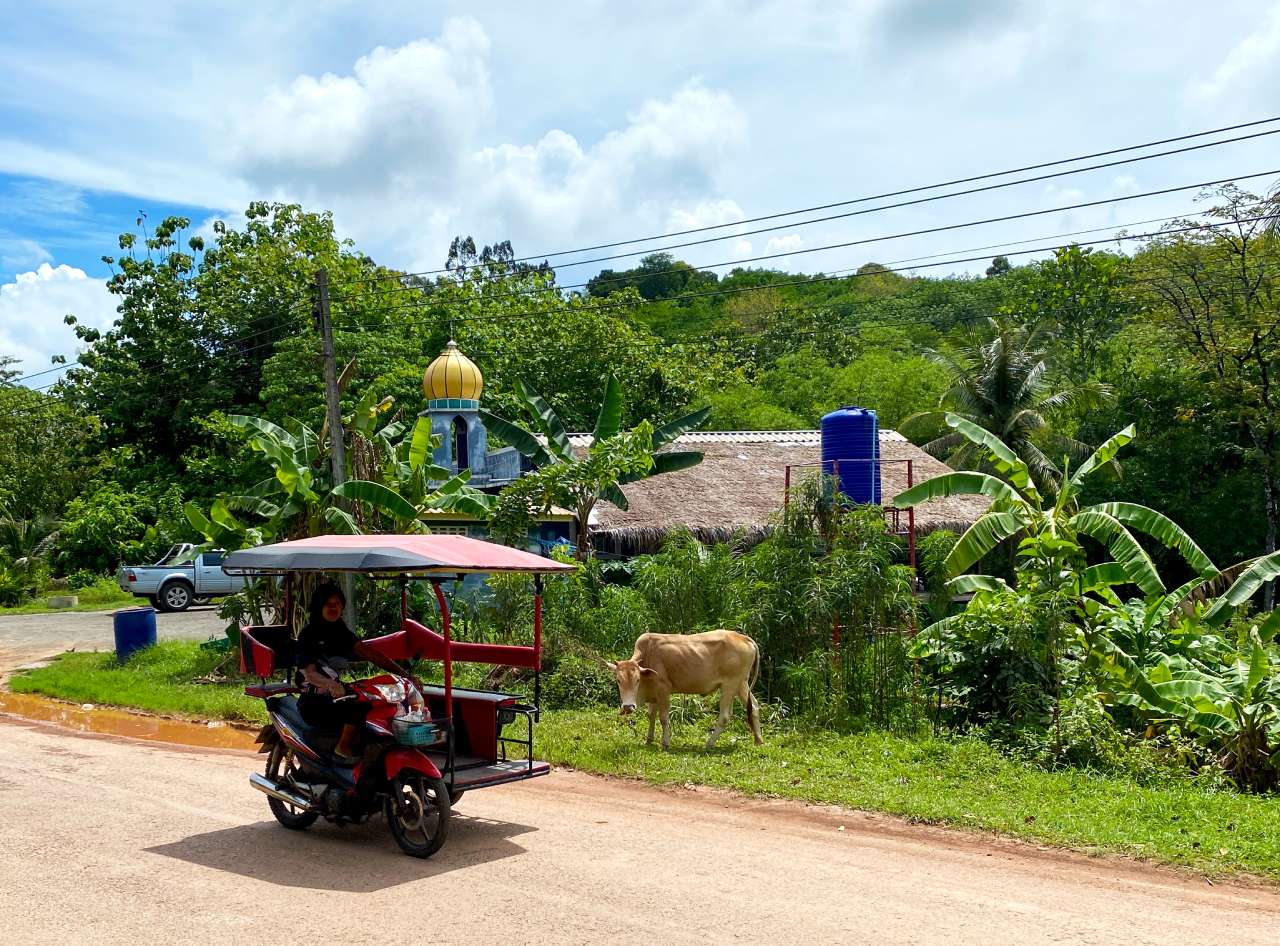
Koh Lanta isn’t really a tick off the sights kind of island. The best days here tend to be the ones where you set off on a scooter with a vague plan and see what happens. I’d follow the coastal road until it opened up into a beach I didn’t know existed, or head over to the other side of the island and you’ll probably end up passing a herd of cows, a tiny mosque tucked behind banana trees, or a fishing village that sees basically no tourists at all.
That said, there’s plenty to actually do here. Here’s what I’d recommend.
Beach Hopping
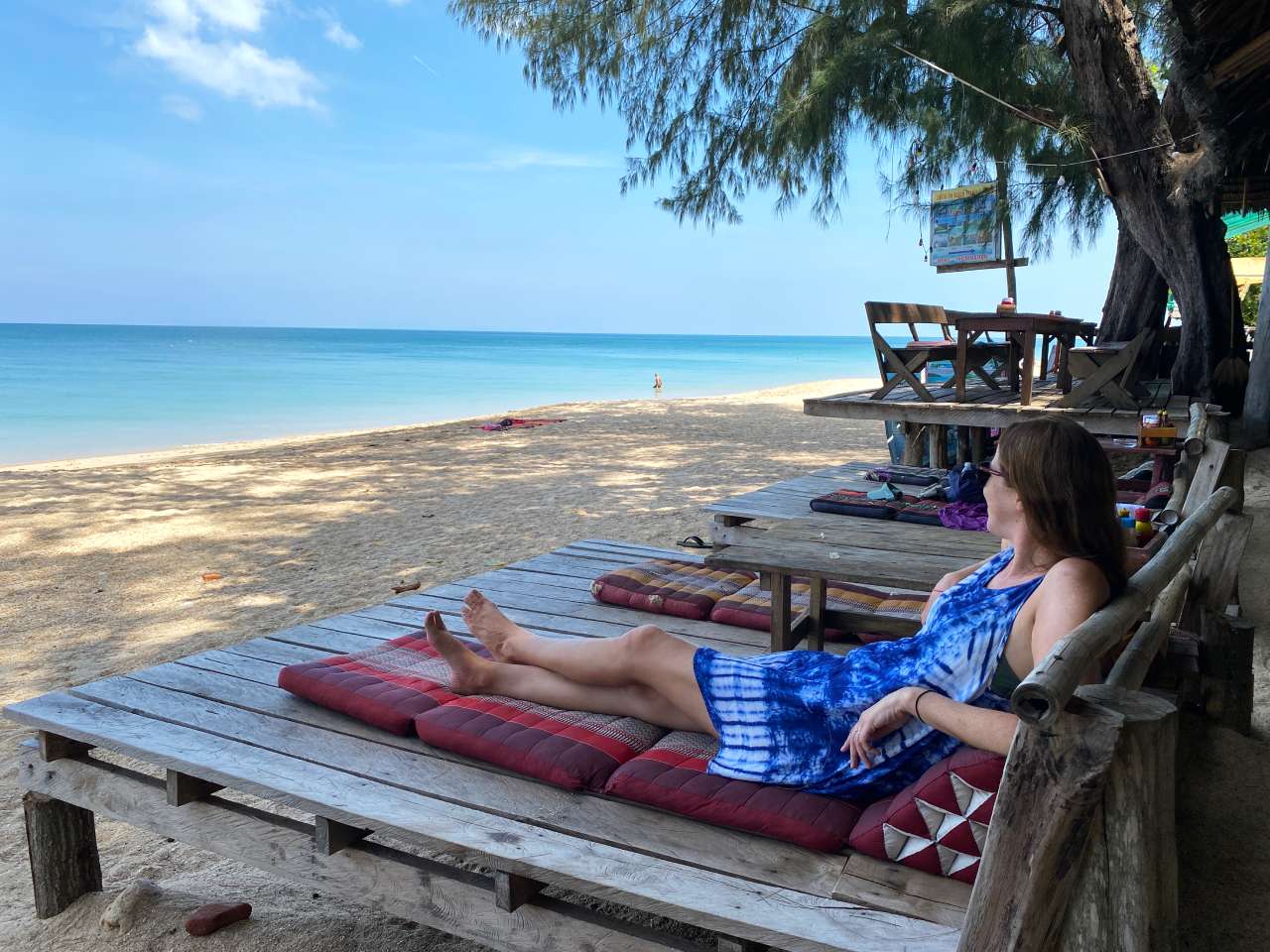
The most enjoyable way to explore Koh Lanta is to rent a scooter and head south. The road follows the coast, dipping through jungle, and keeps delivering new stretches of sand. I spent most of my week doing exactly this, often finding stunning beaches with nobody on them except a few longtail boats and a beach dog.
Here’s some of the best beaches on Koh Lanta to check out:
- Long Beach – best all-rounder for swimming, sunsets, and a post-swim beer
- Khlong Dao – convenient and family-friendly, closest to the pier
- Khlong Khong – reggae bars, fire shows, boho energy
- Khlong Nin – quieter and beautiful, great for barefoot dinners
- Nui Bay and Relax Bay – tucked-away coves, perfect for a swim or a hammock nap
- Bamboo Bay – wild, jungle-fringed, basically deserted
- Kantiang Bay – one of the most scenic spots on the island. Crescent of sand, calm turquoise water, a few relaxed beach cafes
Bring water, good sandals, and don’t over-plan it. Getting a little lost is half the fun!
Visit Koh Lanta National Park
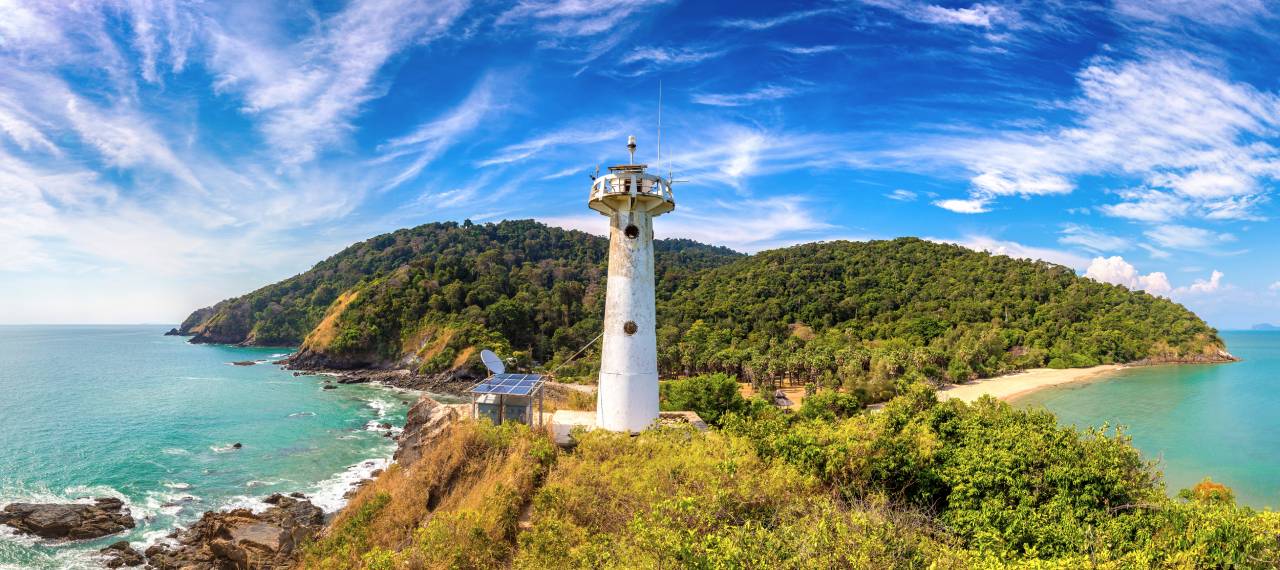
Located on the southern tip of the island, the national park is worth at least a half day exploration. The road narrows dramatically as you head toward the tip, weaving through steep hills and dense forest, before delivering you to Mu Ko Lanta National Park: a mix of jungle, mangroves, rocky headlands, and some genuinely beautiful beaches.
The main highlight is Tanod Cape, where a classic white lighthouse sits on a clifftop with sweeping views over the sea. On a clear day you can see both coasts of the island at once. There’s also a nature trail through the jungle (hot and humid, so bring water) and a beach inside the park that stays quiet even in high season.
Entry is 200 baht for foreigners. Watch your bags near the entrance as the cheeky monkeys will go through them if you have any food.
Explore Koh Lanta Old Town
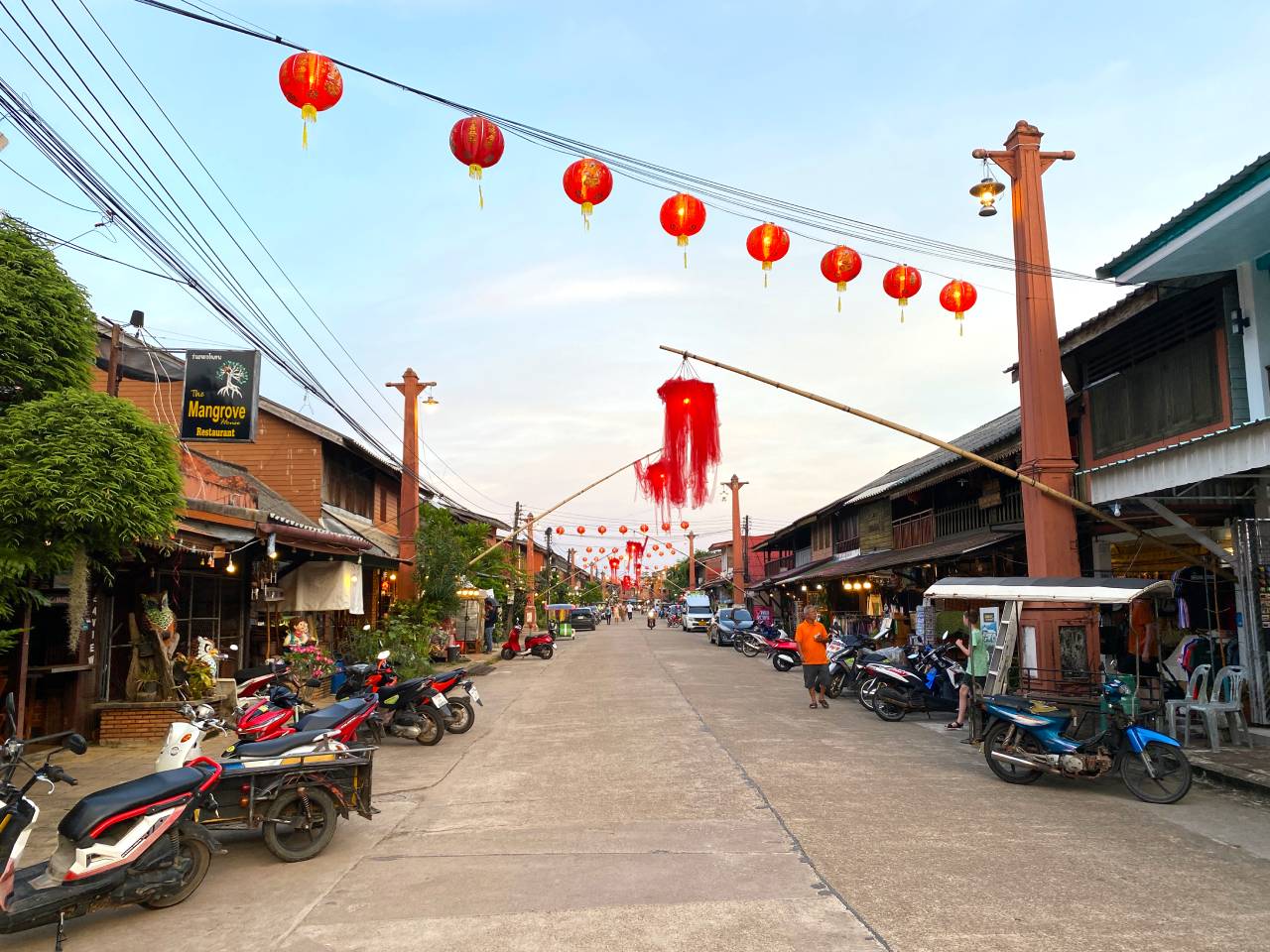
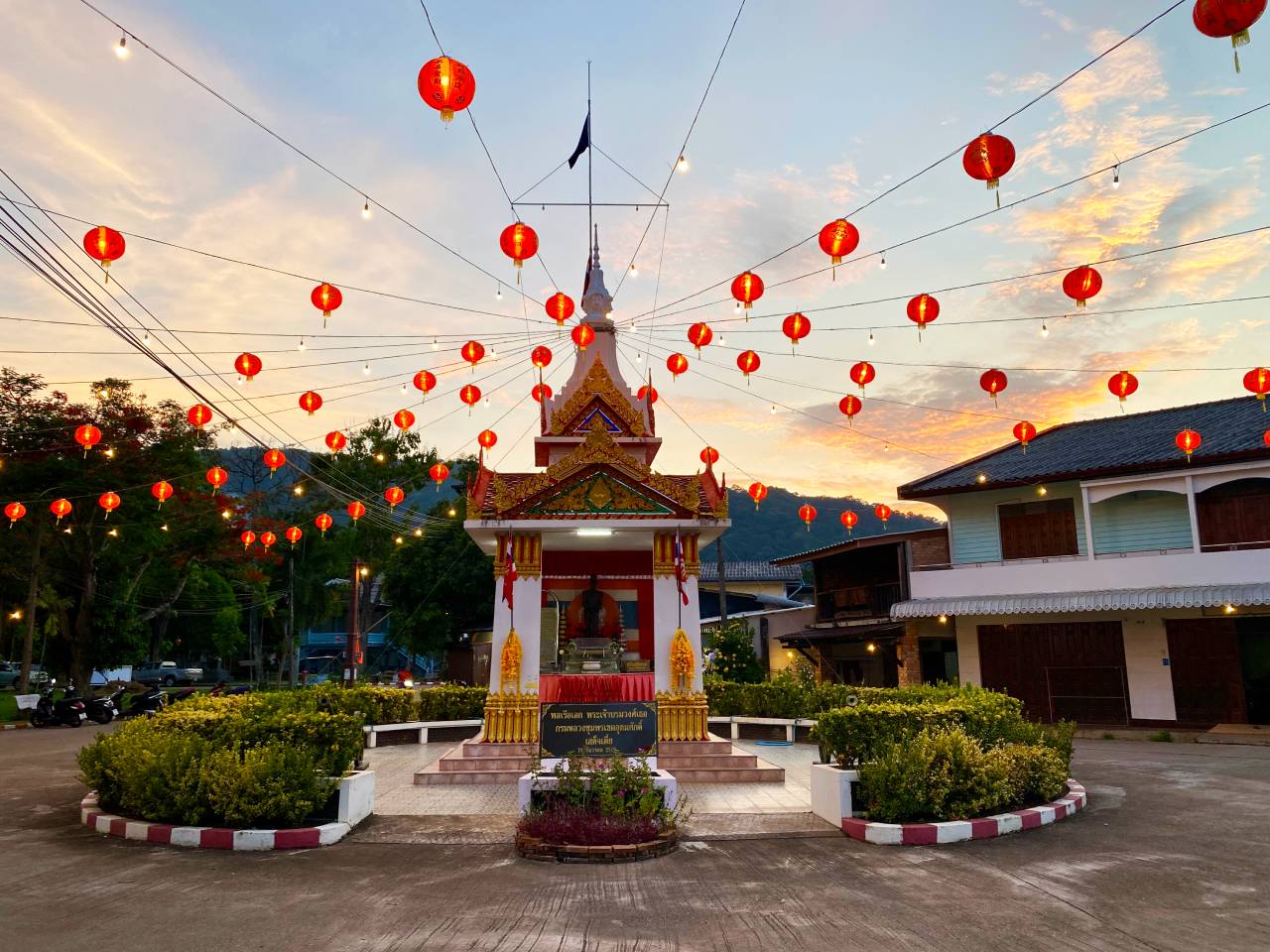
Koh Lanta Old Town sits on the east coast and is unlike anywhere else on the island. It’s a small harbour village of teakwood houses on stilts, built by sea gypsies and Thai-Chinese families, and it’s got this lovely faded, peaceful energy that makes it feel like time slowed down here years ago and just never sped back up.
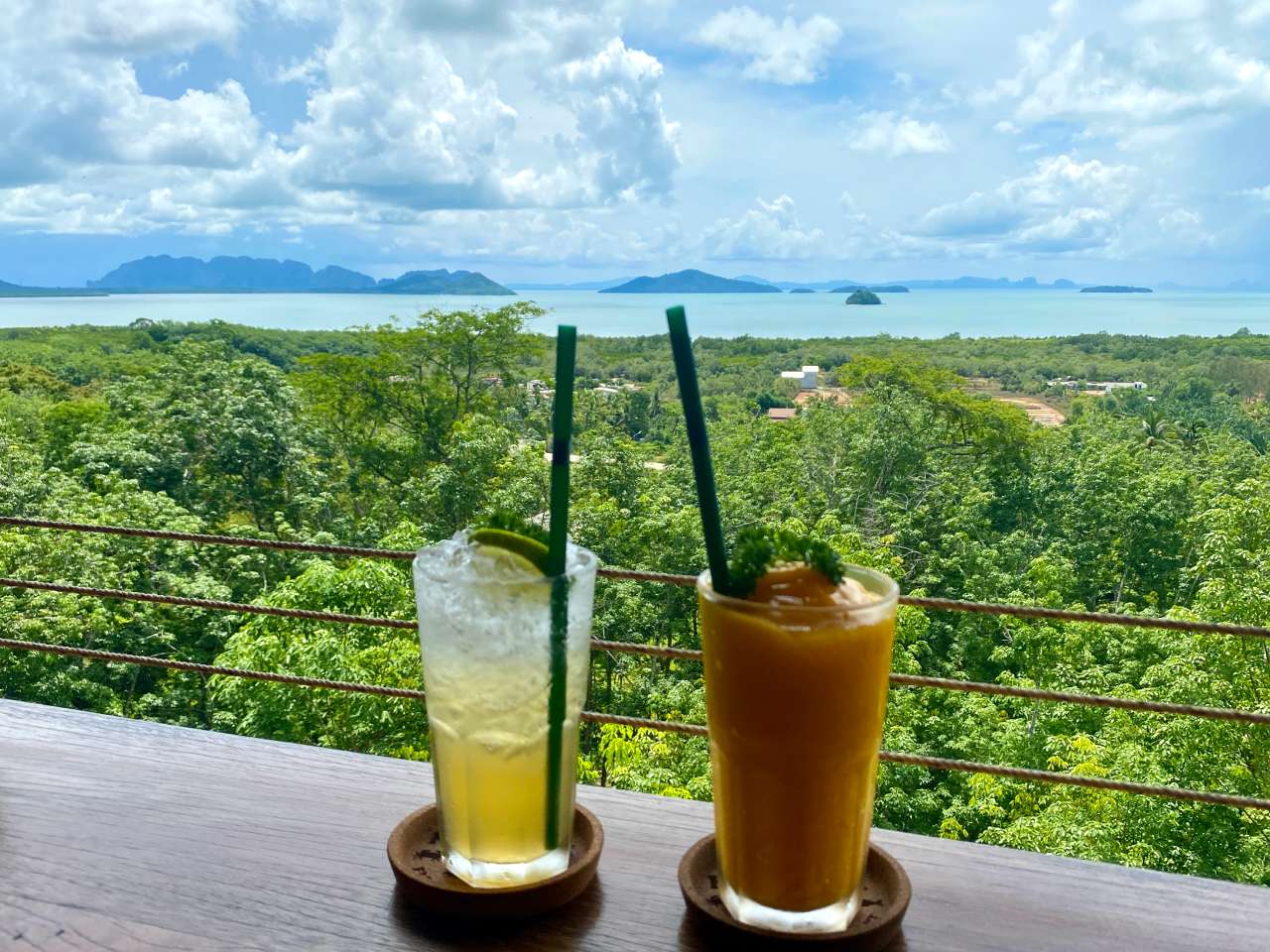
I visited the Old Town several times, once in the morning and at sunset time. The best thing to do here is simply wandering around, eating a delicious seafood curry at Pinto Restaurant, then stopping for a drink at Viewpoint Café on the hill outside town. The views over the sea and distant islands are incredible and well worth stopping for.
There’s also a cultural Koh Lanta tuk-tuk tour that takes you through Old Town, a batik workshop and the mangroves if you want a guided introduction. More details here.
Kayaking Through the Mangroves
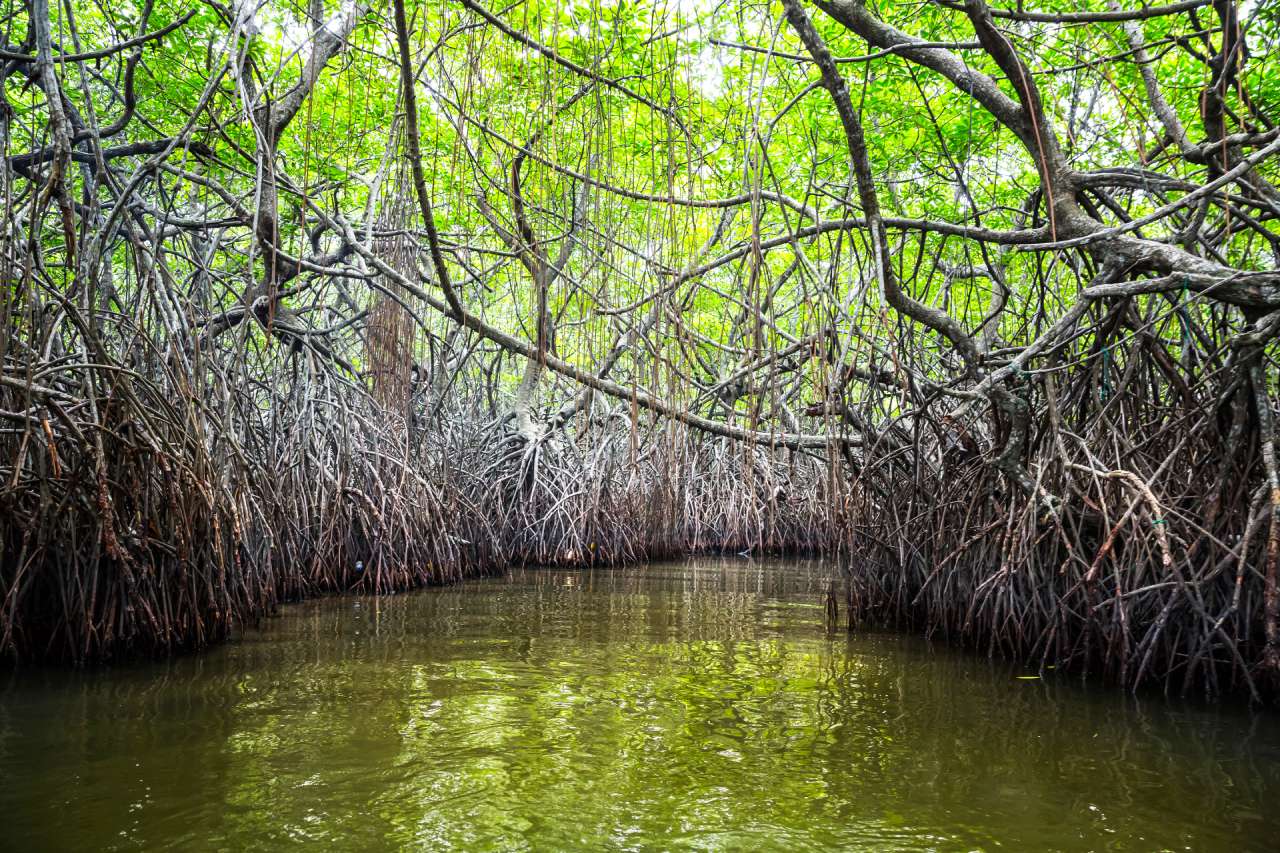
If you want to see a completely different side of the island, head to the mangroves near Tung Yee Peng village. Here you can paddle through winding channels with birds overhead and monkeys occasionally swinging through the trees, past floating fishing villages and oyster farms.
Kayaking through the mangroves offers a glimpse of the quieter, working side of island life that most visitors never see. You can rent kayaks directly at the pier or go with a local guide; the half-day kayaking tour with lunch is the most popular option.
Island Hopping
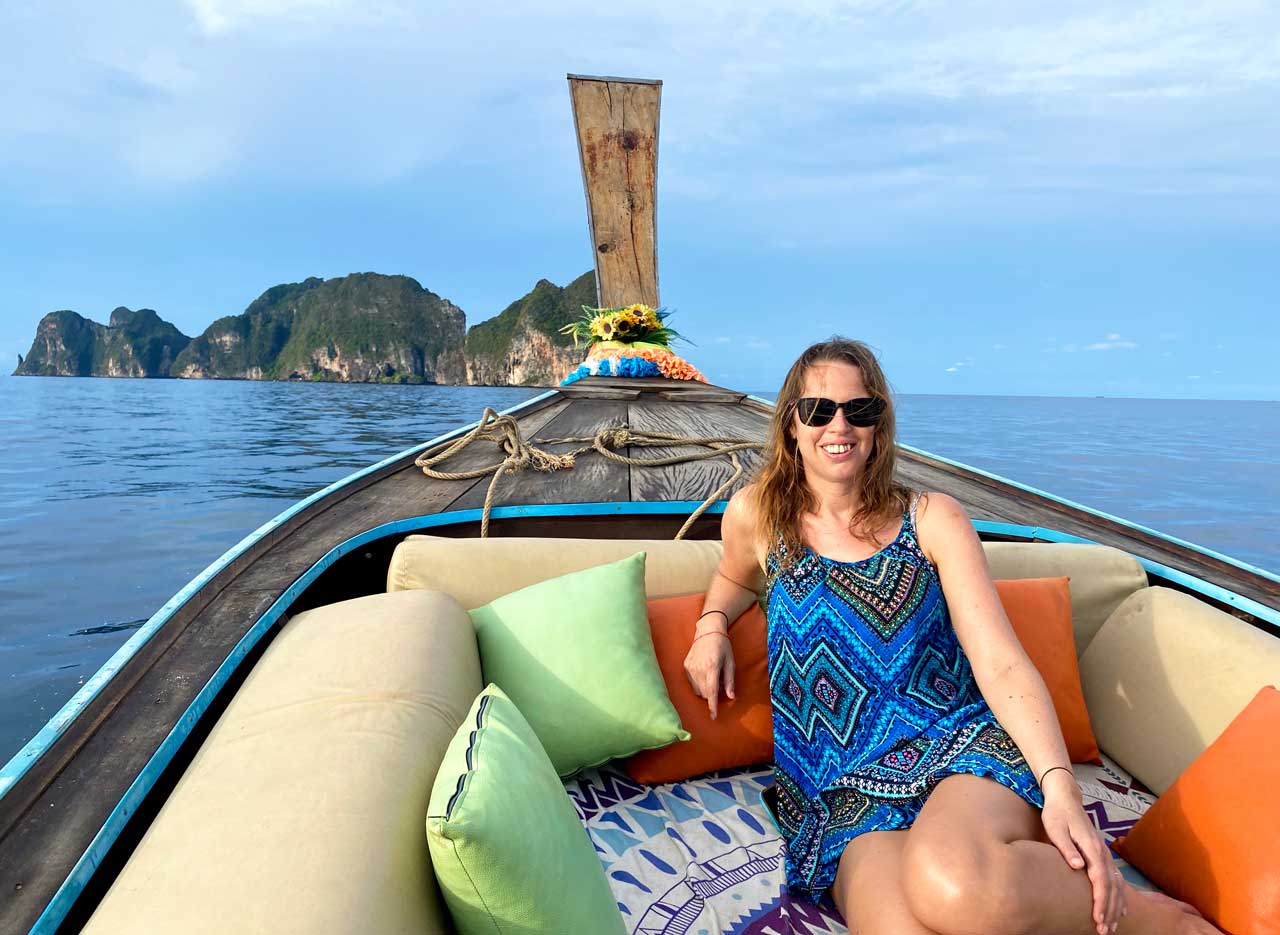
Even though Koh Lanta is much more low-key than Phuket or Koh Phi Phi, it’s a brilliant base for island hopping. There are beautiful islands nearby that see far fewer visitors than the big names, which means you can still get that feeling of having actually discovered something.
Here’s some of the best other islands near Koh Lanta that are worth a day trip.
The Four Islands Tour is the most popular day trip from Koh Lanta and for good reason. It usually covers Koh Ngai, Koh Mook, Koh Kradan, and sometimes Koh Cheuk all in the same day. What you’ll get here is a full day of snorkelling, swimming, and soaking up the sun on beautiful beaches. The undeniable highlight is the Emerald Cave on Koh Mook, where you swim through a narrow dark sea tunnel and emerge into a completely hidden beach lagoon surrounded by cliffs. It sounds dramatic because it is. You can book the Four Islands Tour, among others, on Get Your Guide.
Koh Rok and Koh Haa are for serious snorkellers. Both are part of a protected marine park and have some of the clearest water I’ve seen in Thailand. Koh Rok has a gorgeous beach between two small islands; Koh Haa is a cluster of five limestone islets with a hidden lagoon in the middle. These snorkelling tours cost a bit more but they’re absolutely worth it.
Koh Phi Phi day trip. If you didn’t come via Phi Phi, you can do it as a day trip. It’s beautiful, it’s busy, and the limestone scenery around Phi Phi Leh from the water is genuinely stunning. Maya Bay is a bucket-list tick even if you’re sharing it with a few hundred other people. Go in with the right expectations and you’ll enjoy it. This Koh Phi Phi tour from Koh Lanta receives great reviews.
You’ll find tour booths along the main road, especially around Long Beach and Klong Nin, or you can book in advance online through Get Your Guide. Most group tours include hotel pickup, lunch, snorkel gear, and a guide.
Diving and Snorkelling
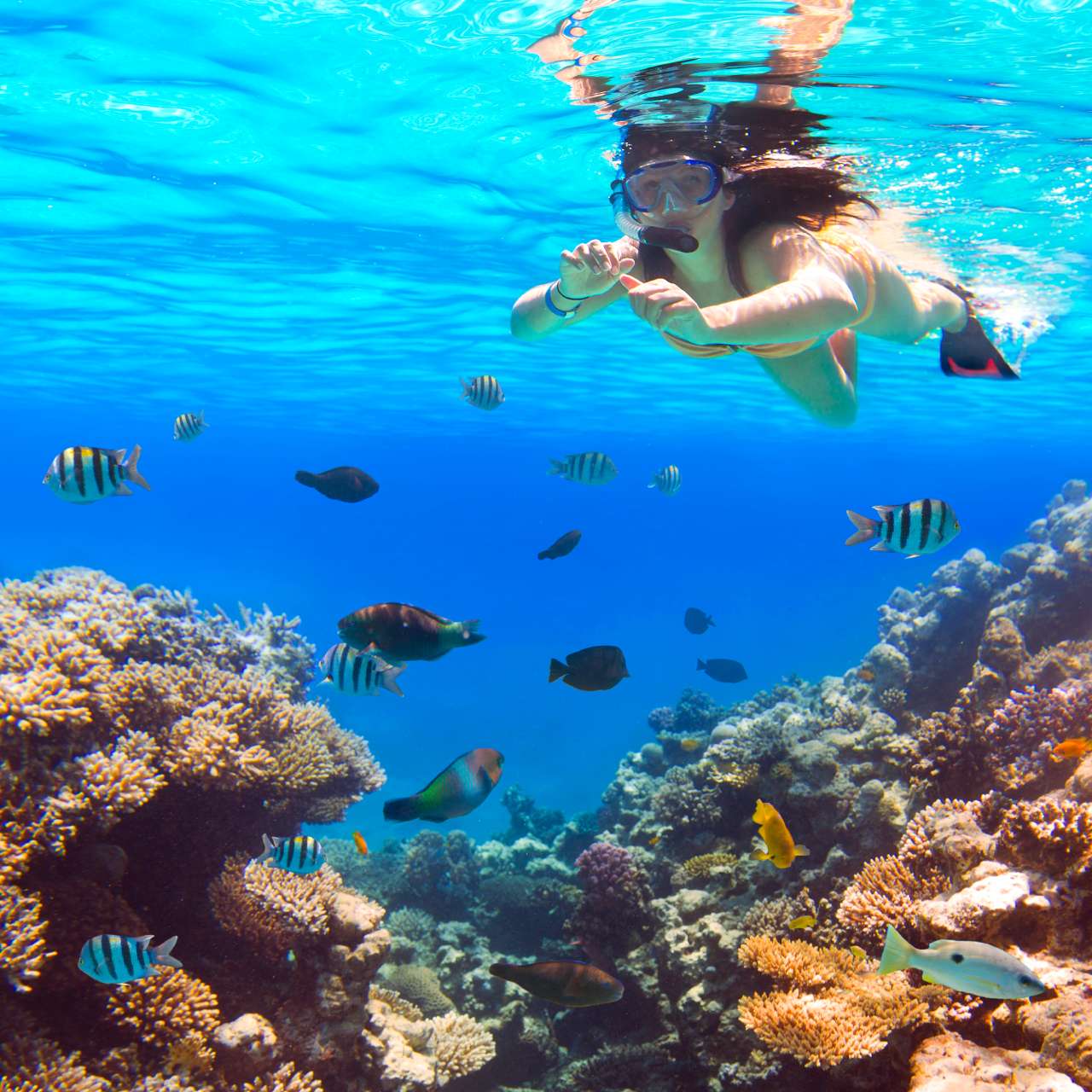
Koh Lanta is one of the best diving bases in southern Thailand, partly because of the quality of the nearby sites and partly because it’s less frenetic than doing day trips from somewhere like Phuket. The Andaman Sea here is warm and clear, and even on a snorkelling trip you’re likely to spot reef fish, turtles, and rays without having to try very hard.
The standout sites are to the south: Koh Haa is a favourite day trip, a colourful reef archipelago with a huge variety of marine life, while Hin Daeng and Hin Muang are the most sought-after sites on the southwest coast known for occasional manta ray and whale shark sightings if you’re lucky.
To the north, the Bida Islands (Koh Bida Nok and Koh Bida Nai) are nicknamed the Shark Islands for the black-tip and leopard sharks regularly spotted there. Koh Rok is another favourite, with crystal clear water and a beautiful beach to surface to.
For a dive shop, Lanta Diver is one of the most consistently recommended on the island. They’re a PADI 5-star centre running daily trips to Koh Haa, Koh Rok, Hin Daeng and Hin Muang, with hotel pickup, quality rental gear, and lunch and drinks included. It’s a professionally run operation, from the dive guides to the boat crew, and the dive guides are particularly knowledgeable. Small groups, good food on the boat, and strong safety standards across the board. Worth booking ahead in high season.
Tham Khao Mai Kaew and Tham Seua Caves
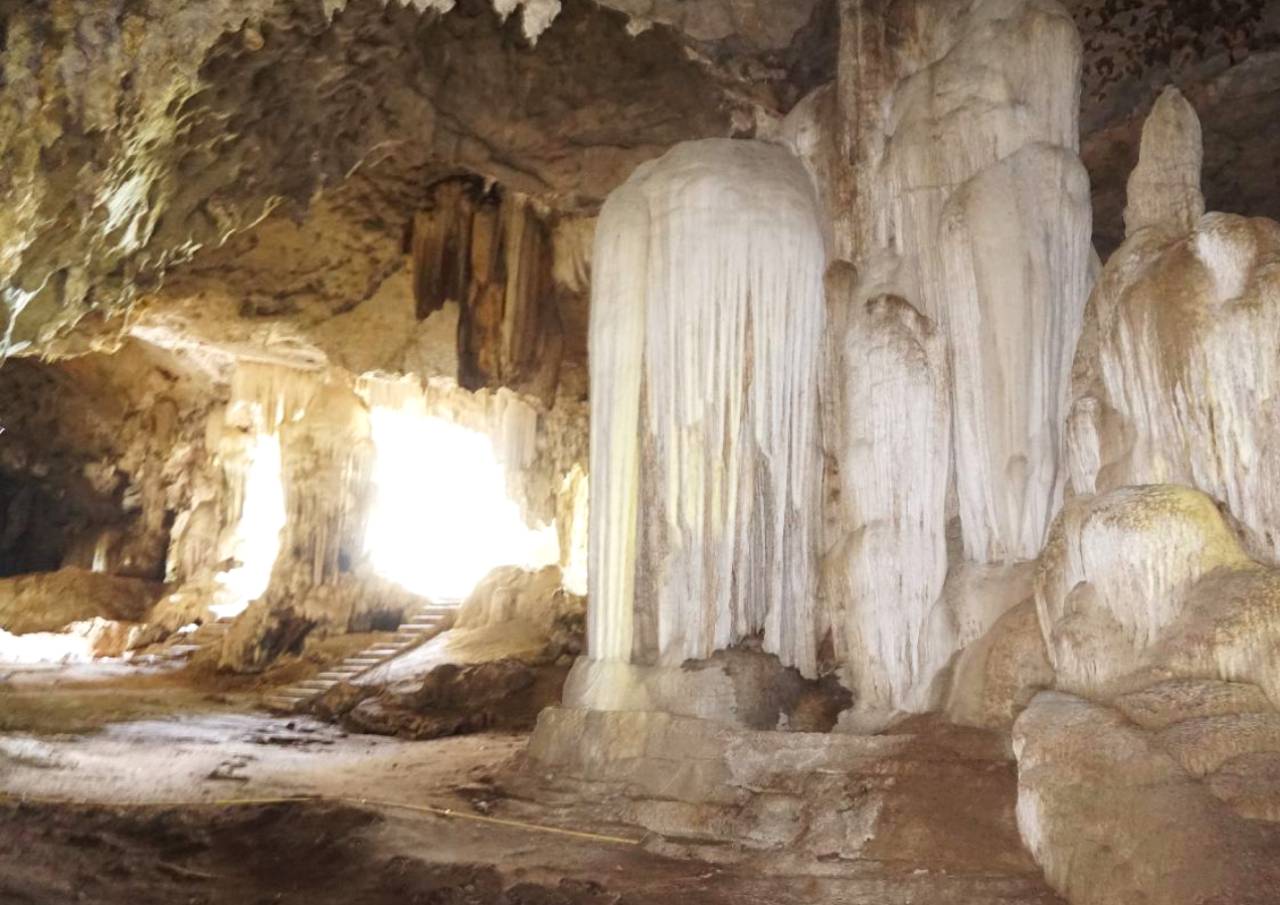
Hidden in the jungle near the centre of the island, Koh Lanta has a couple of cave systems worth exploring if you fancy an underground adventure. The most well-known is Tham Khao Mai Kaew, where local guides wait at the trailhead (around 300-400 baht per person) and take you through tight passages, bamboo ladders, huge caverns, a bat cave, and a natural pool inside the mountain. It gets rave reviews from everyone who does it.
A little further south, Tham Seua is worth knowing about too. You’ll find the signposted track heading east off the road to the national park headquarters, about 2km south of Klong Nin. Guided tours of one to two hours take you through a network of interesting tunnels, each person kitted out with their own headlamp. Less well-known than Tham Khao Mai Kaew, which means fewer people and a bit more of that proper explorer feeling.
For both: wear decent shoes, bring water, and be prepared to get grubby.
Time for Lime Cooking Class
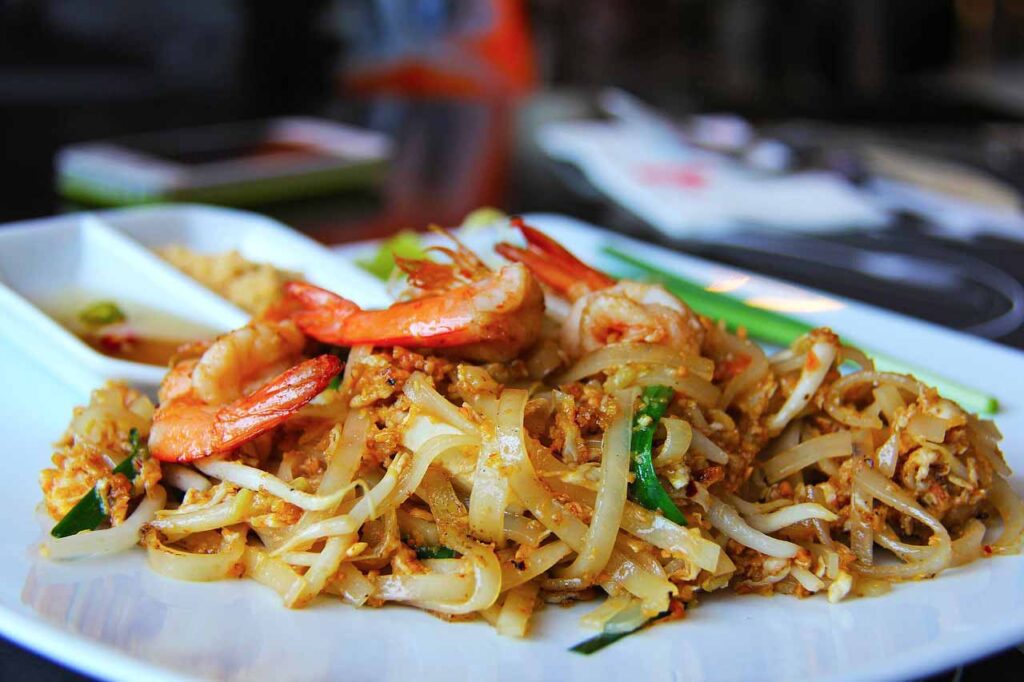
If you want to learn Thai cooking, Time for Lime is Koh Lanta’s original cooking school and it’s a good one. Classes run from 4pm (sensibly timed so you can be on the beach all day first), take place in an open-air kitchen right on Klong Dao beach, and you eat everything you cook. They email you all the recipes afterwards too. All profits go to Lanta Animal Welfare, the island’s dog and cat rescue, so it’s also a good excuse to feel like a decent human being while eating pad thai.
Lanta Animal Welfare

If you’re spending a decent chunk of time on the island and want to do something meaningful with it, Lanta Animal Welfare is worth knowing about. Founded in 2005, it’s a non-profit shelter and veterinary clinic that has helped over 15,000 animals and it’s the only vet service on the island, so the work it does really matters.
There are two ways to get involved. If you’re just passing through, you can join one of the daily tours where a volunteer shows you around, tells you about the animals, and lets you spend some time with the dogs and cats. It’s a nice couple of hours and a good way to support them without committing to anything.
If you’re staying longer and want to go deeper, formal volunteering requires a minimum of one month, animal experience, and you need to be at least 25. It can be physically demanding work with early starts, a lot of walking, and a lot of cleaning but people who do it consistently describe it as one of the most rewarding things they’ve done. Roles include general animal care, hosting tours, and media volunteering if you have photography or social media skills.
Worth noting too that the whole thing was founded by the same person behind Time for Lime cooking school, which is why the cooking school donates its profits there. Two good reasons to book that class.
Yoga, Muay Thai and Working Remotely
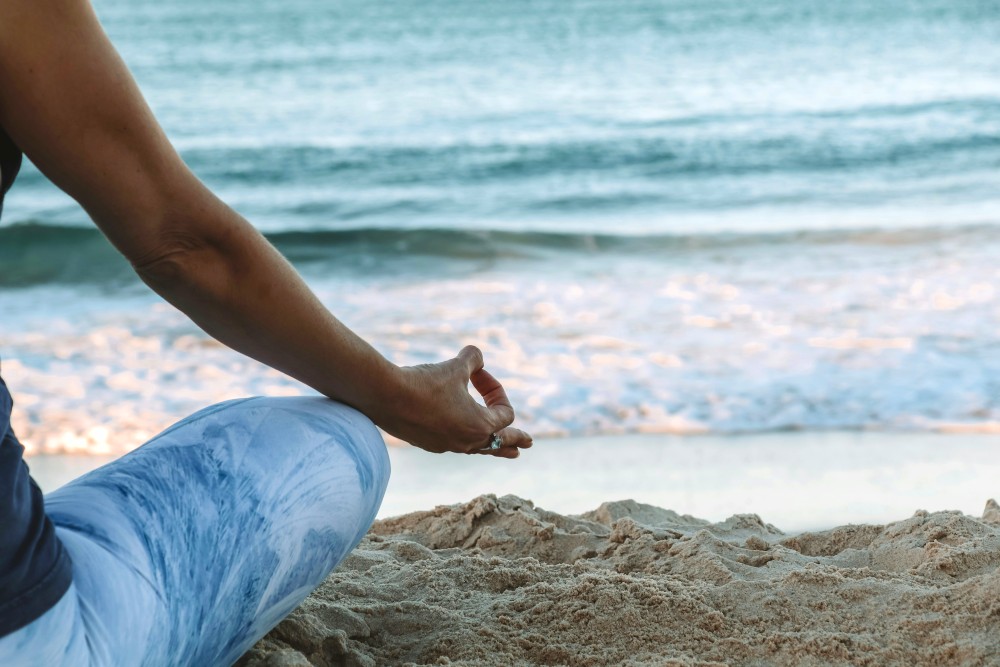
Koh Lanta has a decent wellness scene without making a big deal of it. A few resorts and studios offer yoga classes – a great way to start your day or wind down in the evening. Oasis Yoga Bungalows is really lovely and there are a few Muay Thai gyms if you fancy trying it. KoHub at Long Beach is genuinely one of the best coworking spaces on the Thai islands: shaded garden desks, reliable wifi, good community.
If you’re looking to reset or go inward for a bit, the International Buddhist Meditation Center offers a peaceful break from the road. It’s tucked into the jungle near the southern end of the island, and you’re welcome to join daily meditations, take a walk around the grounds, or just sit quietly in the forest.
Food & Drink in Koh Lanta
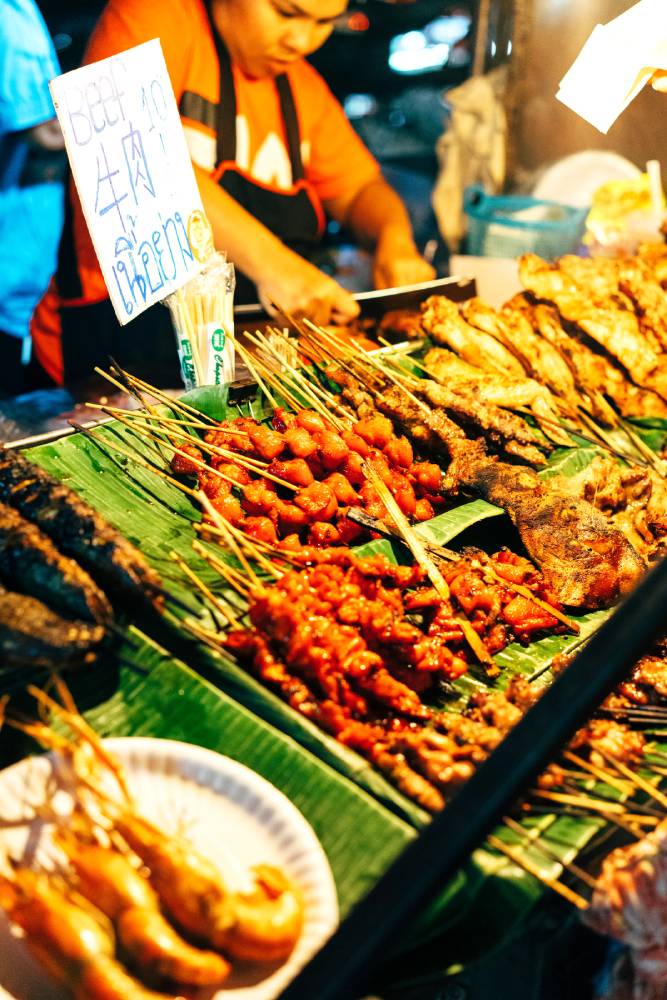
Koh Lanta isn’t going to make anyone’s list of foodie capitals, but it surprised me with how good the food actually is when you get off the beaten track a little. The best meals I had here were the most unassuming ones: grilled fish straight off the charcoal on the beach, roti pancakes from a roadside stall, tom kha in a plastic chair restaurant.
Don’t miss the night markets. The Klong Dao Night Market is a good start (Thai snacks, fresh fruit, the usual brilliant chaos) and the Sala Dan Market near the pier is more local-feeling and great for street food in the evenings.
One thing worth knowing: the best restaurants on Koh Lanta are mostly not on the beach. The beachfront spots are great for a sundowner but if you want the most interesting food, it’s usually worth heading to the main road.
Here’s a couple of recommendations:
Funky Fish is the Long Beach beachfront spot that keeps coming up in everyone’s recommendations, and for good reason. It’s casual and relaxed, right on the sand, and the Thai food is genuinely good — the pad see ew and papaya salad in particular. Prices are reasonable for a beachfront location and the service is fast. Best visited just before sunset when you can grab a table at the front and watch the sky change colour over the sea.
Suza Hut is another beachfront favourite, sitting right on the water at the northern end of Long Beach. It’s one of the nicest spots on the beach to sit and eat, and unlike a lot of beach restaurants it also does genuinely good coffee — useful if you want breakfast with a view rather than just a sundowner.
Escape Café at Long Beach Chalet is worth knowing about whether you’re staying there or not. Good coffee, great cakes, and beanbags on the beach — ideal for a lazy morning or an afternoon break from the sun.
Malina’s Kitchen is a small family-run place on the main Long Beach road that regularly has a queue out the door, which tells you everything you need to know. The massaman curry is the dish people keep coming back for.
Yawee is one of the most consistently praised local restaurants on the whole island. Thai food from around 50 baht, always busy, and the kind of place where the simplest dishes are somehow magic. Worth noting it doesn’t serve pork or alcohol and closes during Ramadan.
The Fat Turtle is the go-to for a more relaxed evening — burgers, seafood platters, and a good bar. Laid-back crowd, good vibes.
Yang Garden is the closest thing to fine dining on the island. Small menu, everything cooked well, impressive wine list. Not cheap, but worth it for a special night out — book ahead.
And if you want a good breakfast, Aleena Minimart near Long Beach is an unlikely gem: a tiny spot that does exceptional bagels and has somehow accumulated a cult following among long-term visitors.
In the Old Town, Pinto Restaurant does a great seafood curry that’s worth the drive.
If you can’t handle Thai spicy (and Thai spicy is on another level), say “mai phet” (not spicy) or “phet nit noi” (a little spicy). And don’t be put off by the roadside places with no English menu. Point at what looks good and you’ll usually end up eating something excellent.
When to Visit Koh Lanta
This matters more for Koh Lanta than it does for most Thai islands, because the island really does shut down in the off-season. Half the restaurants, dive shops and tour companies close up during the rainy season between May and October, so coming at the wrong time of year can mean a noticeably quieter experience, and in some areas an almost ghost-town one.
November to April is the tourist season when Koh Lanta is at its best. Dry, sunny, calm seas, and everything open. December to February is peak season and you’ll have the most company, but it’s still quiet compared to somewhere like Ao Nang or Koh Phi Phi. Christmas and New Year week especially: book accommodation in advance. March and April are still gorgeous, just hotter. Spend your afternoons in the sea.
May and October are shoulder months and a bit unpredictable. You might get a beautiful week, or you might get a lot of afternoon rain and discover that half the restaurants have already closed for the season. If you’re flexible and don’t mind the gamble, you can get good prices and quiet beaches.
June to September is monsoon season. The sea gets rough, boat tours get cancelled, and Koh Lanta is a shadow of its high-season self. It’s not unpleasant if you’re the type who enjoys an empty beach and a bungalow porch in the rain, but if you’re coming for island hopping and snorkelling, this isn’t the time.
My recommendation: visit between late November and early March for your first time. You get the weather, you get everything open, and you still get that sense of having found somewhere properly special.
So Is Koh Lanta Worth Visiting?
Honestly? Yes, but it depends what you’re looking for.
If you want international brand resorts, a buzzing nightlife strip, or the kind of beach that looks like it was designed for social media, Koh Lanta will probably underwhelm you. It’s not that kind of island.
But if you want long stretches of beach where you can actually hear yourself think, a national park at the end of a jungle road, island hopping to places that actually feel off the main tourist trail, an Old Town with real character, and enough cafes and beach bars to keep you comfortable, then Koh Lanta might be exactly what you’ve been looking for.
For the best experience, make sure you visit Koh Lanta between November and March, rent a scooter on your first day, and don’t plan too much. Let the island do the rest.
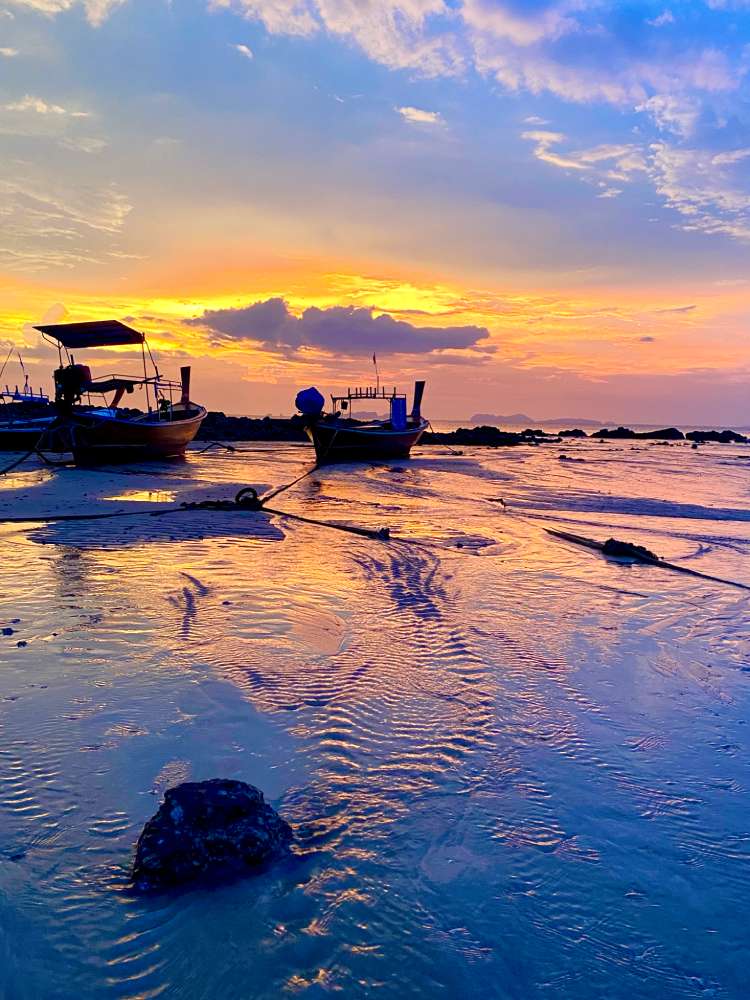
Koh Lanta has so much to offer, from long stretches of sandy beaches to national parks, island hopping trips and even a cute old town – it’s honestly surprising that not more travellers make it here.
And if you want to continue your island hopping adventure head down to Malaysia next, stopping at tiny Koh Lipe (known as the Maldives of Thailand for it’s incredible water, and then Langkawi and Penang in Malaysia.
Or if you’re exploring more of Thailand you might want to read my other travel guides:
