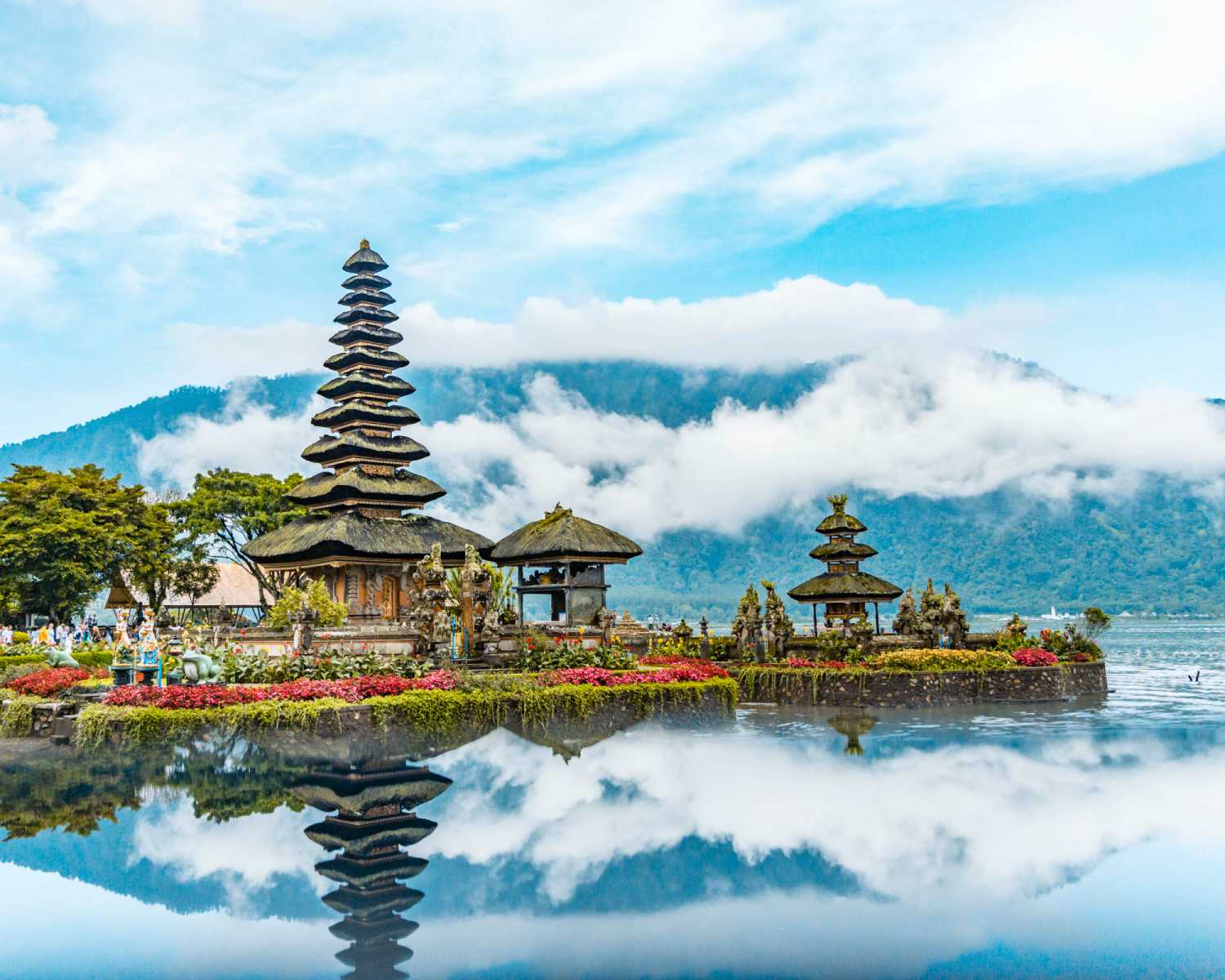
Dubbed the ‘Island of the Gods,’ Bali has long captivated travellers with its beautiful nature, unique culture, sacred temples, and magical energy.
For decades, it’s been both a dream vacation spot and a place where people come to connect more deeply with themselves and nature, living out their own “Eat, Pray, Love” story.
But in the last decade, the island has changed drastically. And while some travellers still love it, others claim it’s overcrowded, overdeveloped, and far from the peaceful paradise it once was.
So what’s the truth? Is Bali worth visiting in 2026? Does it still have beauty? Or has the island’s magic been destroyed?
Whether you’re planning your first Bali trip or a long-awaited return, you might be confused as to whether Bali is worth it. I’ve spent a lot of time in Bali over the last decade so to help you decide I’m sharing my honest review of what Bali is like now and whether it’s still worth visiting.
So what is Bali like now?

Bali is becoming increasingly westernised, and as a result, Bali’s traditional culture and nature are rapidly being reshaped.
Many of the rice paddies have been built on, and the island is generally very built up. If you visited Bali many years ago, you will certainly notice the difference and probably be quite shocked at how much it has changed.
But I want to point out that Indonesia is a developing country, and Bali is its tourism hub. To meet its growing popularity and demand, the island’s infrastructure has to expand, which means becoming more urban and modern than it previously was.
Bali is not the only popular tourist destination in Southeast Asia to undergo this reconstruction. For example, Phuket, in Thailand, saw a similar spike in tourist demand and responded by building more accommodation and hospitality venues. The same is happening in Bali.
Read More: Phuket vs Bali: Which island should you visit? and Is Phuket still worth visiting?
Is Bali worth visiting in 2026?
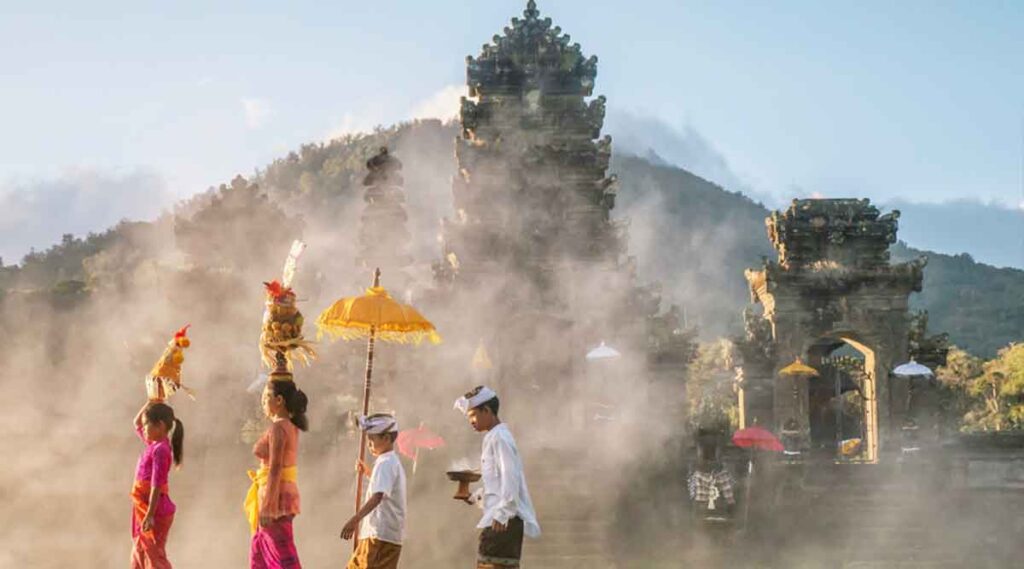
Despite the rapid changes the island is seeing, Bali is still worth visiting now, but only if you go with the right expectations and mindset.
For instance, if you go there with high expectations, expecting to find only quiet villages, untouched nature, and authentic culture, you will probably be disappointed. While Bali does still have all of that, it also now has bustling beach towns full of trendy bars, modern hotels, and Western cafes.
In fact, Bali nowadays is both chaotic and peaceful at the same time. For example, now you will find a beach club and a temple within 200 meters of each other, or a waterfall and a luxury resort side by side.
In the next sections, we’ll explore the pros and cons discovering what’s still beautiful about Bali and what is threatening the island’s magic.
Is Bali Worth It? The Pros and Cons of Visiting Bali
Pros of visiting Bali
Let’s start with the reasons why I would still recommend Bali and why millions of Bali lovers are still choosing to return year after year.
Rich culture
Even though Bali has become highly commercialised and westernised, the island’s rich Balinese culture remains strong, and this is one of the most unique things about Bali.
Even as a tourist, you will see aspects of Balinese Hinduism every day. There are always rituals and celebrations taking place at the temples, and Bali has a vibrant calendar of religious and cultural festivals that are very tourist-friendly. One example is the Bali Arts Festival, a month-long celebration of Balinese culture held in June and July each year.
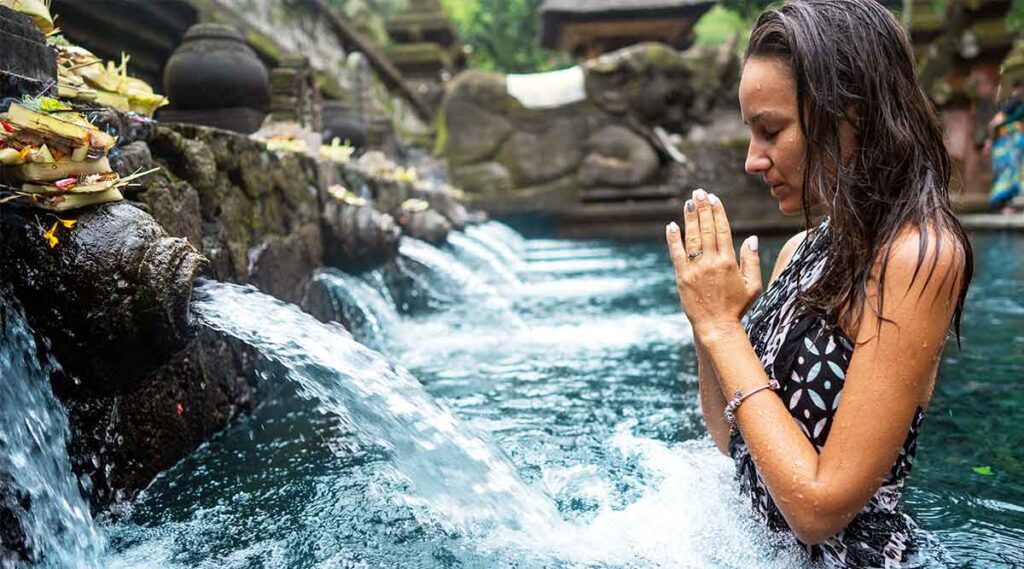
Aside from events, you can join various cultural experiences to learn more about Bali’s culture, such as Balinese cooking classes, traditional dance performances, and temple visits with water purification rituals.
Diverse experiences
Bali offers something for everyone, from the trendy beach clubs in Seminyak, surf schools in Canggu and spiritual yoga retreats in Ubud.
Ubud continues to have a rich spiritual scene, with world-class yoga schools and healing centres that offer retreats and drop-in classes. In fact, Ubud is one of the most popular destinations for yoga retreats and yoga teacher trainings not just in Bali but throughout the world.
Bali is also excellent for adventurers. There is the famous Mount Batur hike, but there is also Mount Agung, which is taller and more challenging to climb than Batur.
The island also has a diverse nightlife scene. Kuta has quite a wild party reputation, with high-energy clubs and cheap drinks. On the other hand, Seminyak is known for its trendy beach clubs, cocktail lounges, and electronic music, with a more chic, sophisticated vibe.
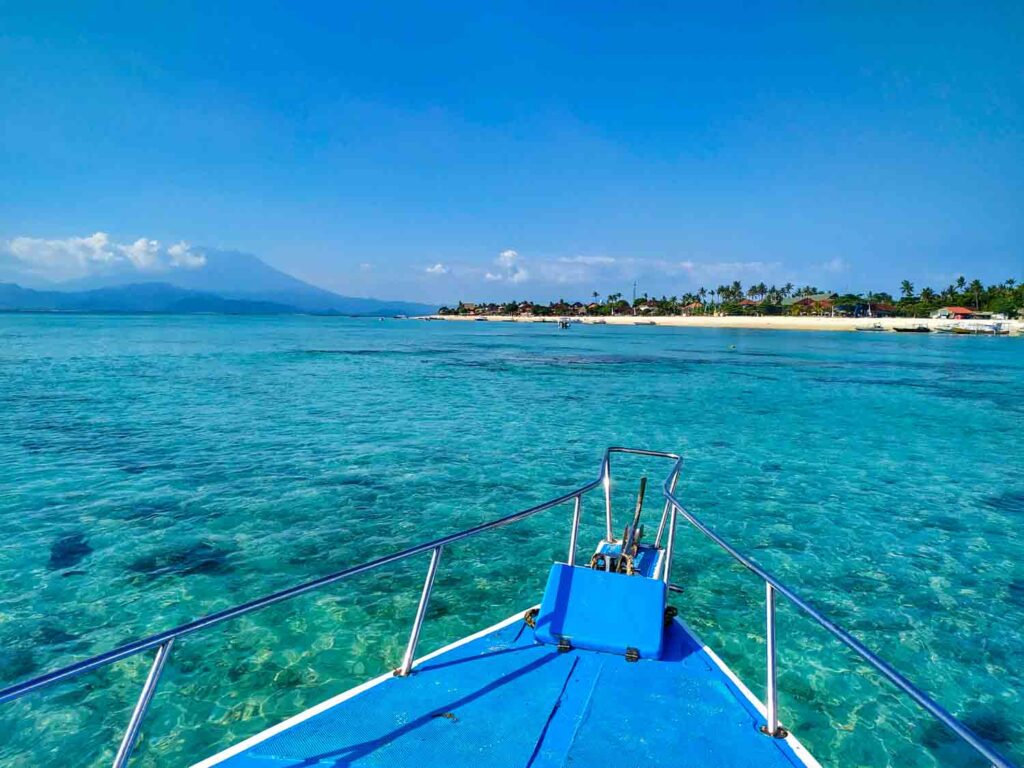
What’s more, the island is quite the watersports hub, there’s plenty of world-class surf camps in Bali, some of the best surf breaks in the world, and incredible snorkelling and scuba diving. Then, there are some nearby islands you can take boat trips to, including Nusa Penida, Nusa Lembongan, and the Gili islands.
Affordable prices
As the island has become so trendy, you may be wondering, is Bali expensive now?
Surprisingly, no. Don’t get me wrong, Bali is no longer the ultra-cheap destination it was 10+ years ago. Costs have risen overall, but it’s still a very affordable getaway compared to Western countries.
Here’s what the average daily costs in Bali are in 2026:
- Budget – $25–$50: This price range includes staying in a hostel or guesthouse, eating mainly local dishes, and renting a scooter to get around.
- Mid-range – $70–$130: This includes staying in a mid-range boutique hotel, eating a mix of Indonesian and Western food, and using Gojek/Grab for rides.
- Luxury – $160–$250+: For this price, you can stay in a lavish resort or private pool villa, eat and drink at the beach clubs and fine dining restaurants, and have a private driver.
Also note that if you visit Bali during the shoulder season, you can reduce costs, as travel deals on accommodation and flights are common at this time.
Beautiful nature
Bali is becoming increasingly built up each year but the island is still full of breath taking scenery.
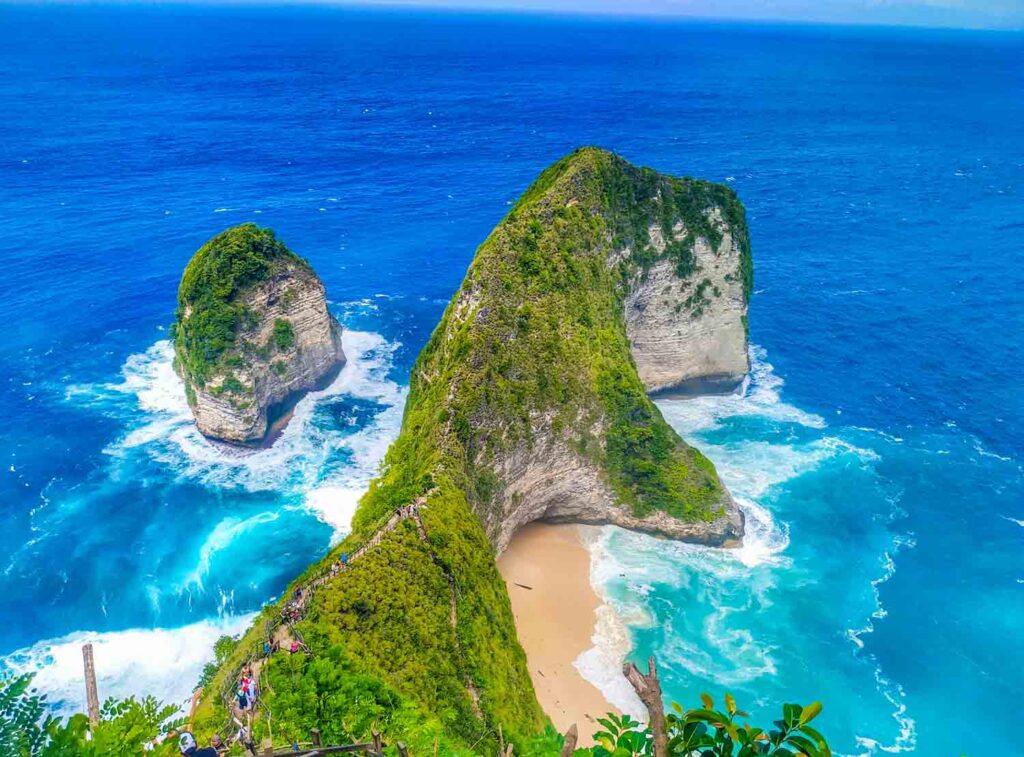
The coastline is extremely diverse, with golden-sand beaches, volcanic black-sand beaches, and dramatic limestone cliffs. There are quieter, hidden bays, ideal for sunbathing and snorkelling, renowned surf spots with some of the best breaks in the world, and bustling beaches with trendy beach clubs and epic sunsets.
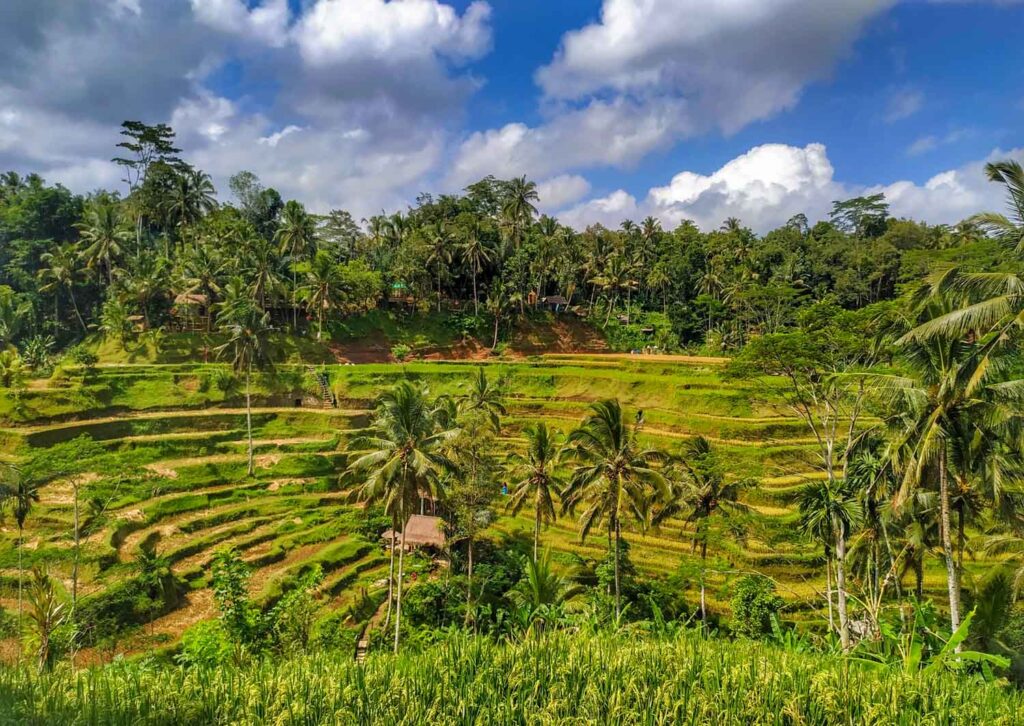
Then there are the rice fields, the island’s most iconic landscape. While there are fewer than there were 20 years ago, it’s still easy to find and visit several lush rice terraces.
The most famous ones, like Tegallalang, do get very crowded but if you head to the rice fields in lesser-known areas, like Bebandem and Sidemen Valley in East Bali, you’ll find hardly any tourists.
Bali’s rice terraces, mixed with lush jungles and mountains, create a stunning tropical landscape. If you are heading to Bali for the nature, I recommend staying towards the centre of the island, around Ubud, or in the north or east for the most nature-rich experience. South Bali, such as Kuta and Seminyak, is now a significantly built-up area, so here it feels like you’re close to nature but not right in it.
Dreamy private pool villas and luxury resorts
Bali is one of the few places where you can live in luxury for a week or two, without going bankrupt. While in most parts of the world renting a private pool villa or staying in a 5 star resort is only a far-off dream, in Bali it is both possible and very realistic.
You can find standard private pool villas from as little as $50 a night. Some are on a resort (located in a remote part of the grounds), and so also include all the resort’s facilities. Others are independently owned Airbnb-style villas. Then there are the dreamy ones in incredible settings, such as treehouses with infinity pools and jungle or rice-field backdrops, which can cost around double the price.
There’s also no shortage of incredible luxury resorts for less than $100 a night with gorgeous Balinese-style decor, world-class spas, and expansive pools that weave through the resort. Both the facilities and customer service you’ll find at Bali’s 5-star resorts are top-notch. Plus, the resorts in Bali are very diverse, from adult’s only to family friendly so there is something for everyone.
Many Bali resorts offer all-inclusive options. At first glance, they might seem a little pricey, but if you’re planning on spending time every day hanging by the pool and sipping Bintangs, it quickly becomes well worth it.

Cons of Visiting Bali
Bali is far from perfect. So to give you a balanced perspective, here are the biggest downsides of the island right now, along with tips to minimise their impact on your Bali trip.
Over tourism
In the last 15 years, Bali has gone from a hidden gem to a global hotspot. This happened through a combination of media recognition, such as the ‘Eat, Pray, Love‘ movie, and its development as both a wellness/spiritual haven and a hub for digital nomads.
Statistics show that 6.95 million tourists visited Bali in 2025, compared to only 2.57 million in 2010. While this rise in popularity helped boost Bali’s and Indonesia’s economies, it didn’t come without a significant downside.
The most popular spots in Bali, like Ubud Monkey Forest and Tegallalang Rice Terrace, can now feel more overwhelming than peaceful and enjoyable. Similarly, Ubud Palace and all the most popular temples often have huge crowds, especially when dance performances are on, which can dampen the experience.
The beaches are also impacted, especially those in Seminyak, Kuta, and Canggu, which get incredibly crowded especially during sunset.
Tips for avoiding the crowds in Bali:
- Visit the temples early in the morning, as the crowds tend to form by late morning.
- Skip Kuta and Seminyak beaches and go to Sanur instead (11km east), which has a quieter, more laid-back vibe.
- Escape the tourist crowds and head to Lovina on the north coast or Amed on the east coast. Here you’ll find serene black-sand beaches, awesome snorkelling spots, and a chilled fishing-village vibe.
- While the Tegenungan waterfall is one of the most impressive natural spots on the island, it does get crowded. For a more peaceful experience, head to Leke Leke Waterfall in the centre of the island. This hidden waterfall is just as visually stunning as Tegenungan, but because you have to take a short hike to reach it, it’s far quieter.
Traffic and congestion
With so many people visiting the island, Bali’s roads are extremely chaotic and messy. And so, getting around the island can be very stressful (the complete opposite of what you might expect from an island holiday).
The truth is, Bali’s tourism has grown much faster than its infrastructure. Because of this, during peak season, a 10-minute drive can easily turn into 30–60 minutes.
The worst congestion is in the main tourist hotspots, like Canggu, Seminyak, Kuta, and Uluwatu. But even Ubud can get congested at times, because the narrow, village-style roads simply weren’t built for today’s high traffic volumes.
What makes it worse is that many people (locals, expats and tourists) can drive recklessly, creating a very chaotic situation. Scooters are constantly weaving through the stalled traffic and overtaking from both sides.
Tips to avoid the traffic:
- If possible, avoid or limit travelling in the morning (7:30-10 am) and during the evening (4:30-8 pm) as this is when traffic is at its worst.
- Limit travel time by staying close to what you want to do. For example, if you’re after a beach location, don’t stay in Ubud. Instead, stay within walking distance of a beach. Similarly, if you’re going to Bali for yoga and wellness, it makes sense to stay in Ubud, where everything you need is within a short walk. Read my guide and consider where to stay in Bali carefully as you don’t want to be traveling from one side of the island to the other every day.
- If your travel style is to explore, consider splitting your trip into multiple short stays. For example, spend 2 or 3 days in Canggu for the beach and surfing, a couple of days in Ubud for rice terraces and yoga, and then 2 nights in Uluwatu for temples and beach clubs. This will reduce your daily time on the roads. See my Bali itinerary for more tips on how to split your stays in different areas of the island.
Poor infrastructure
While the island is getting more crowded and more built-up, the infrastructure, such as the roads and ease of getting around, has not improved. There is still no proper public transport in Bali, which leaves only taxis/Gojek/Grab, renting a scooter, or hiring a private driver as options.
One exception is the Kura-Kura bus, which operates from Kuta to Ubud. But this operates as a pre-booked minibus shuttle, rather than a traditional public bus.
Moreover, the roads are very narrow, which further increases traffic and makes it challenging to navigate by car. Plus, due to poor sewage systems, the roads become flooded every rainy season.
Another big issue is Bali’s waste management system. There is no recycling system, some landfills have closed due to reaching full capacity, and there is a lack of garbage collection, leading to piles of dumped garbage.
Tips to navigate Bali’s poor infrastructure:
- Ride-hailing apps like Gojek and Grab are very affordable in Bali. Relying on Grab drivers to get you from A to B rather than tackling the roads yourself will make your holiday far less stressful.
- If you’re a solo traveller, you can get taxi bikes, which are extremely cheap and can weave in and out of traffic, cutting down travel times.
- If you’re travelling with a group/family, hiring a private driver for the duration of your trip will be far less stressful than driving yourself. Private drivers are very affordable and reliable, and you can exclusively hire them for your trip, meaning they are available to drive you for the whole day. For example, private drivers on Klook charge from as little as $30 a day.
Construction and over-development

As tourism almost tripled in 15 years, Bali experienced extreme pressure on land and infrastructure. There suddenly emerged a huge demand for villas, western eateries, and digital nomad coworking spaces, triggering an influx of construction projects across the island.
That’s why what was once an untouched paradise can now, at times, look and feel like a loud, ugly construction site. Construction is very visible in some areas, and it’s common to hear the building noise during the day. This can seriously impact your experience, as no one wants to hear constant drilling while relaxing by the pool.
In certain tourist hotspots, significant areas of rice fields, forests, and coastal land have already been replaced by modern buildings, shopping malls, and western-style coffee shops. While some tourists do like this vibe, if you’re heading to Bali for nature and culture, you might be surprised by how urban, built-up, and westernised these areas are now.
Tips for avoiding Bali’s construction:
- Don’t stay in the most touristy areas. Avoid Canggu, Uluwatu, Seminyak, and Kuta, and instead consider more remote areas like the outskirts of Ubud, Amed (East Bali), or Lovina (North Bali), as these are much more peaceful areas. See my detailed guide on where to stay in Ubud for tips for Bali’s cultural heart.
- Read recent reviews for the hotel/resort you’re planning to stay at. If there is major construction happening close by, most travellers will likely mention it.
- Check the satellite image of the area on Google Maps. While this cannot guarantee there won’t be construction next door, it can give you an idea of how much construction is underway in the area.
Is Bali safe?
Bali is a very safe place to visit, and the island has very low rates of violent crime. But there are a couple of petty crimes and safety concerns you should be aware of:
- Road safety is a major concern as the roads are dangerous and often filled with inexperienced and reckless drivers. Many tourists who rent scooters end up in road accidents, so you should only rent one if you have previous experience riding scooters in Asia. And if you do rent one, always wear a helmet.
- Pickpocketing is quite common in Kuta, especially at night in the clubs and bars. Leave your passport and a backup debit card in the hotel safe, and carry only the cash you need.
Tourist scams
Unfortunately, Bali does have some common scams that can leave targeted tourists feeling a little bitter. However, knowing about them makes it quite easy to avoid them.
The main issue many tourists face is people trying to sell them something wherever they go. For example, at temples, sellers may try to give you a sarong to wear without telling you it comes with an extra cost. Meanwhile, in the touristy areas, it’s common to have “tour agents” approach you, trying to sell overpriced or even fake tickets. It’s better to book your tours and tickets on a trusted platform like Get Your Guide instead where you can read reviews and avoid scams.
Also, note that there are some tourist traps in Bali. Some of the famous spots you’ve seen travel influencers post on Instagram are actually quite disappointing in real life. For example, the famous “Gates of Heaven” photo at Lempuyang Temple shows a perfectly reflective water pool beneath the split temple gates. But in reality, there is no water. The photo is created through a staged experience in which a small mirror is held under the camera. And in peak season, you may have to queue for hours just to get this shot.
The temple is beautiful but the amount of influencers in Bali can get a bit overwhelming and the gap between Instagram and reality is real.
So, Is Bali worth it in 2026? My Honest Opinion

In my opinion, yes, but only if you go with realistic expectations and know where to stay to find the experience you are looking for.
It’s true that some parts of the island are no longer idyllic and peaceful but you can still find pockets of magic. If you want to have that “Eat Pray Love” experience, stay at one of the incredible yoga retreats in Bali and you can still find the natural beauty, spiritual vibe and peacefulness the film portrayed.
The most touristy parts of the island i.e. Kuta, Legian, Seminyak and Canggu are now heavily commercialised and overrun by beach clubs, trendy cafes, coworking spaces and instagrammers. However, if you can get off the beaten track and head to North or East Bali, you’ll still find beautiful rice fields without the tourist crowds and quiet local villages where the slow life and unique Balinese culture still exists.
Like anywhere in the world, Bali is what you make of it. It’s true that if you look for an authentic experience, you can still find it. However, it’s also true that if you stick to the super touristy areas, you won’t experience the real Bali.
So the main takeaway? Do some research and plan your trip to Bali well. Get clear on what you want from the experience (whether it’s nature, parties, surfing or yoga) and research where on the island you can find it. I’ve got tons more articles and guides to help you plan your perfect trip:
- Discover the best areas and hotels in Bali for your unique needs and preferences.
- Check out my 2-week Bali Itinerary for the perfect blend of yoga, surf and spirituality.
- If you’re heading to the cultural heart of the island check out my itinerary for Ubud.
- If you’re looking for unique and spiritual things to do in Ubud, read this article.
- Interested in surfing? Discover where the best surf camps in Bali are.
- If you want to see how Bali stacks up against Phuket, read my Phuket vs Bali comparison guide.
